
Must do in Montreal
I moved in Montreal in late March, just as the snow was starting to melt. At first, everything felt both foreign and familiar, and now several months in, I still find myself discovering new places every week. This city has so much to offer: dynamic yet peaceful, with activities that shift from one season to the next.
In this article, I’m sharing not only Montreal’s iconic spots, but also some of my personal favorites that are worth adding to your itinerary.
Table of Contents
Best things to do in Montreal
Mont-Royal park
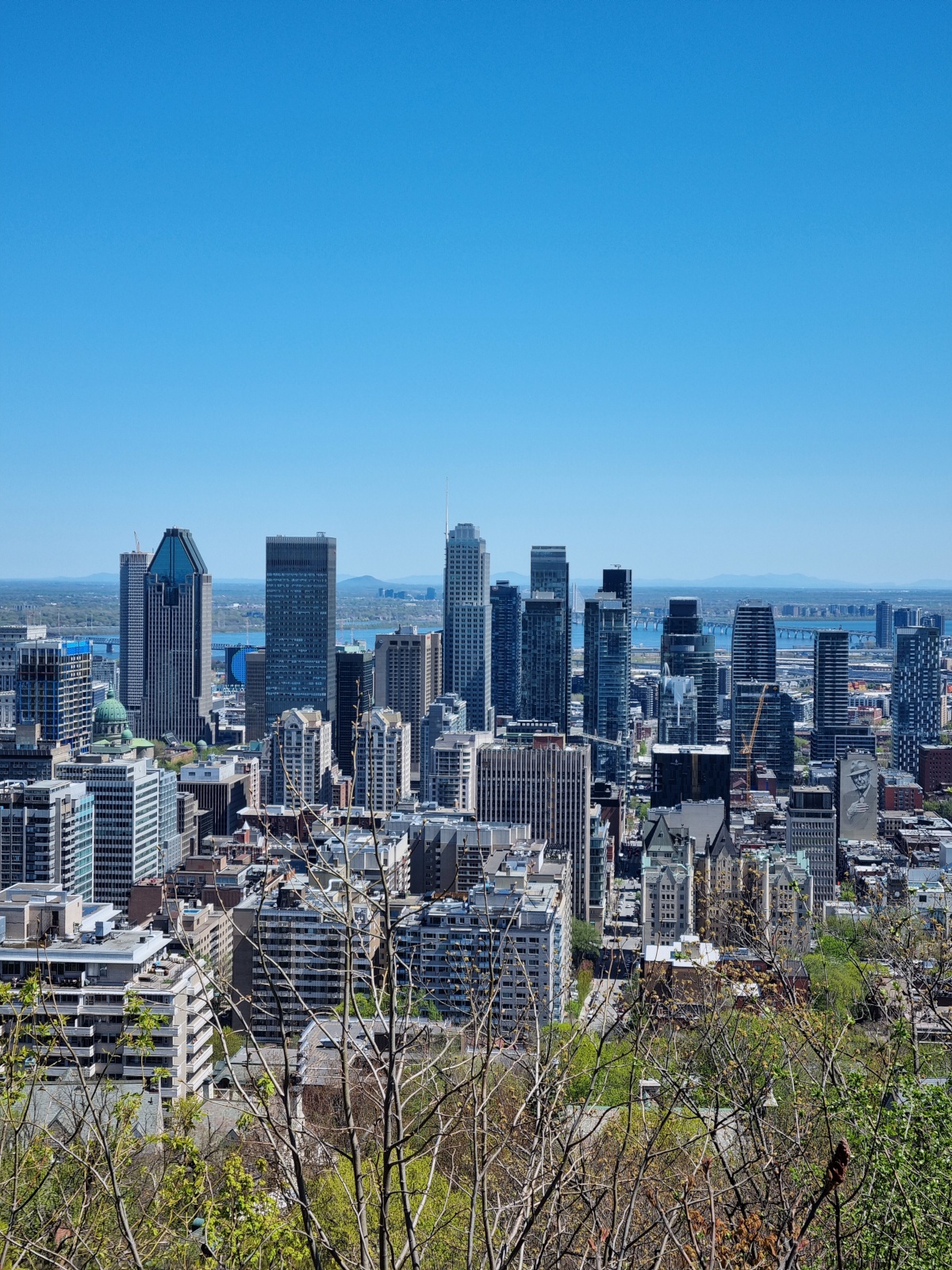
First of all, Mont-Royal is a hill at the heart of the city where locals come to jog, picnic, or simply enjoy the panoramic view from the Belvédère Kondiaronk, just across from the Chalet du Mont-Royal. In fact, the city is said to have been named after the mountain, which was originally called “Mont Réal.”
In addition, depending on the season, the park offers very different experiences. In Summer, bring your picnic to enjoy near the Lac aux Castors. In Winter, outdoor skating rinks and even cross-country ski slopes are available for free. Skates, skis and snowshoes can be rented there. Check out current activities available and the park map on the official website.
While going there, pass by the prestigious McGill University, one of the top universities in Canada. Although tours are restricted to future students, you will still be able see a glimpse of the beautiful buildings from outside.
Old town (Vieux Montréal)
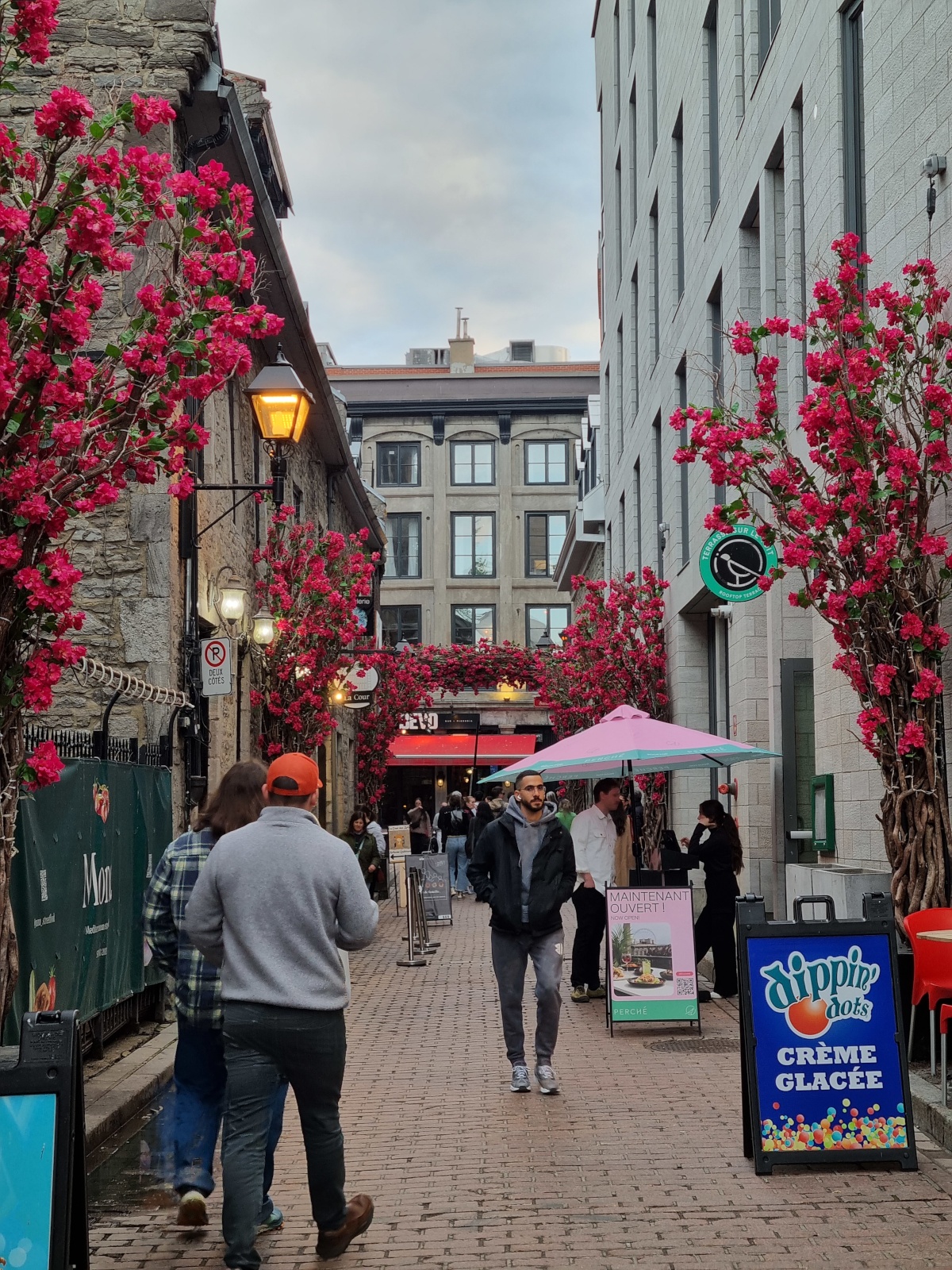
If you enjoy walking and sightseeing, Old Town is the perfect place to explore at a slow pace, with plenty of cute coffee shops along the way.
To start with, visit the Basilique Notre-Dame de Montréal, then walk in the Cours Le Royer and Saint-Paul street until the Place Jacques-Cartier. After that, walk by the Saint-Laurent river, where you’ll see the Big wheel.
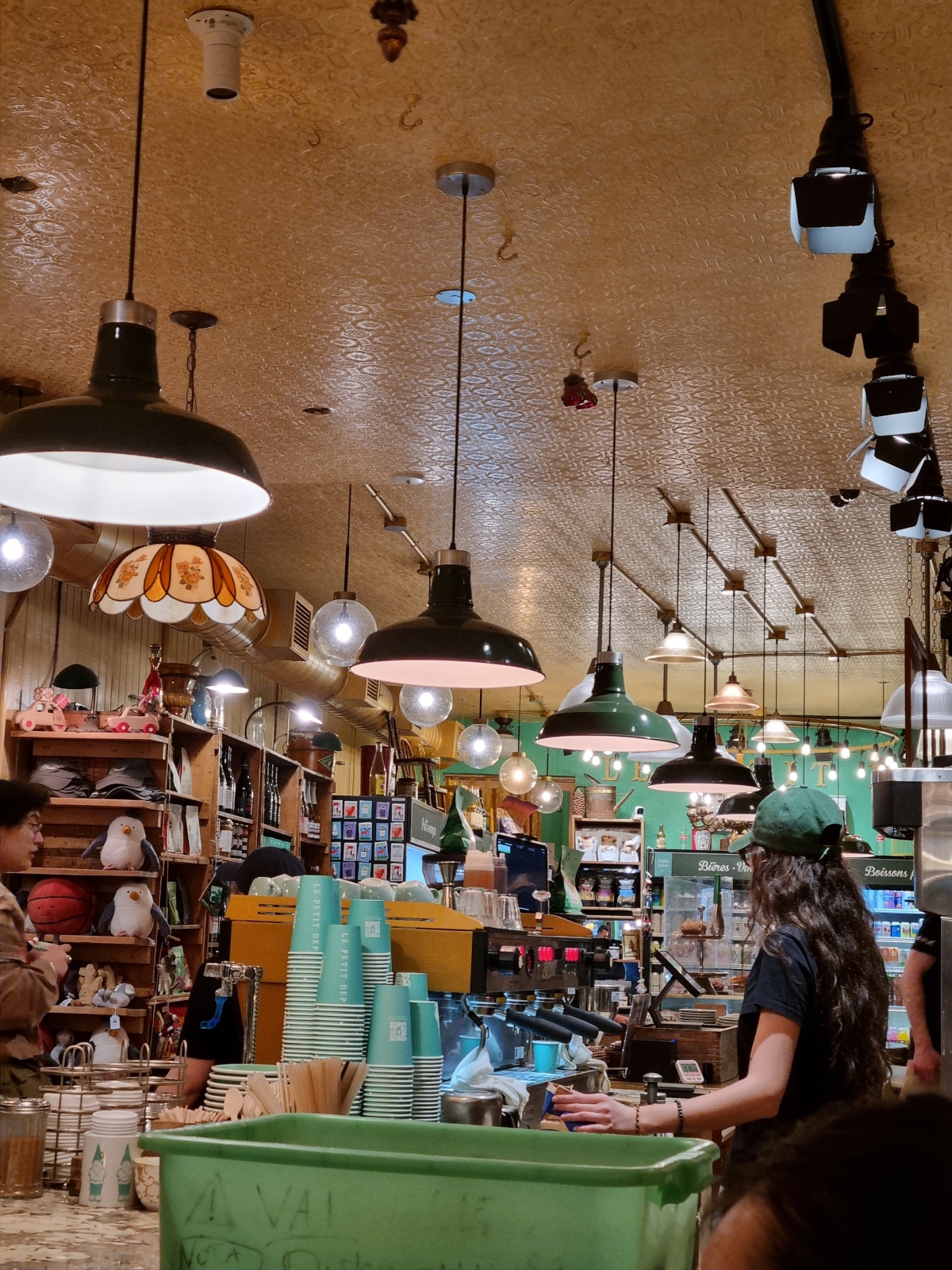
Along the way, make sure to stop by the Queues de Castor shop, famous for its flat donuts shaped like a beaver tail. For a longer break, Le Petit Dep (on Saint-Sulpice street or Saint-Paul street), Crew Collective & Cafe (often crowded), and Café Olimpico are all great options.
Join these walking tours to navigate the streets with a local guide.
Chinatown
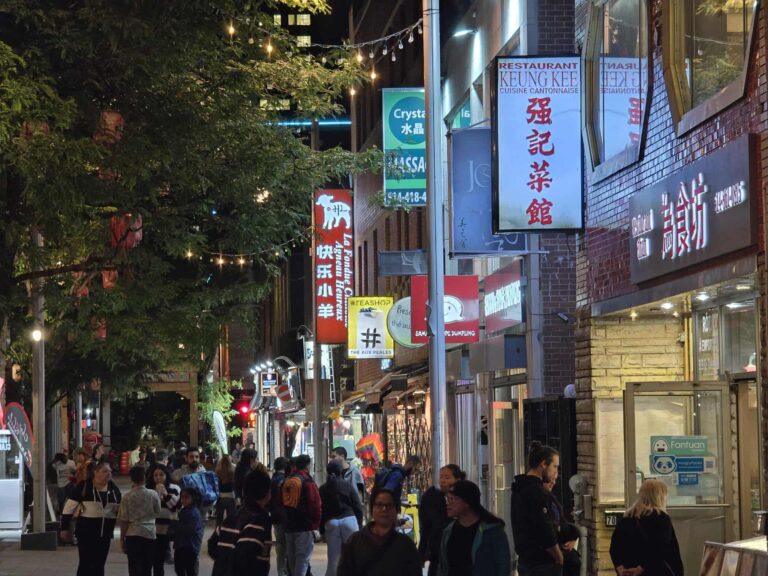
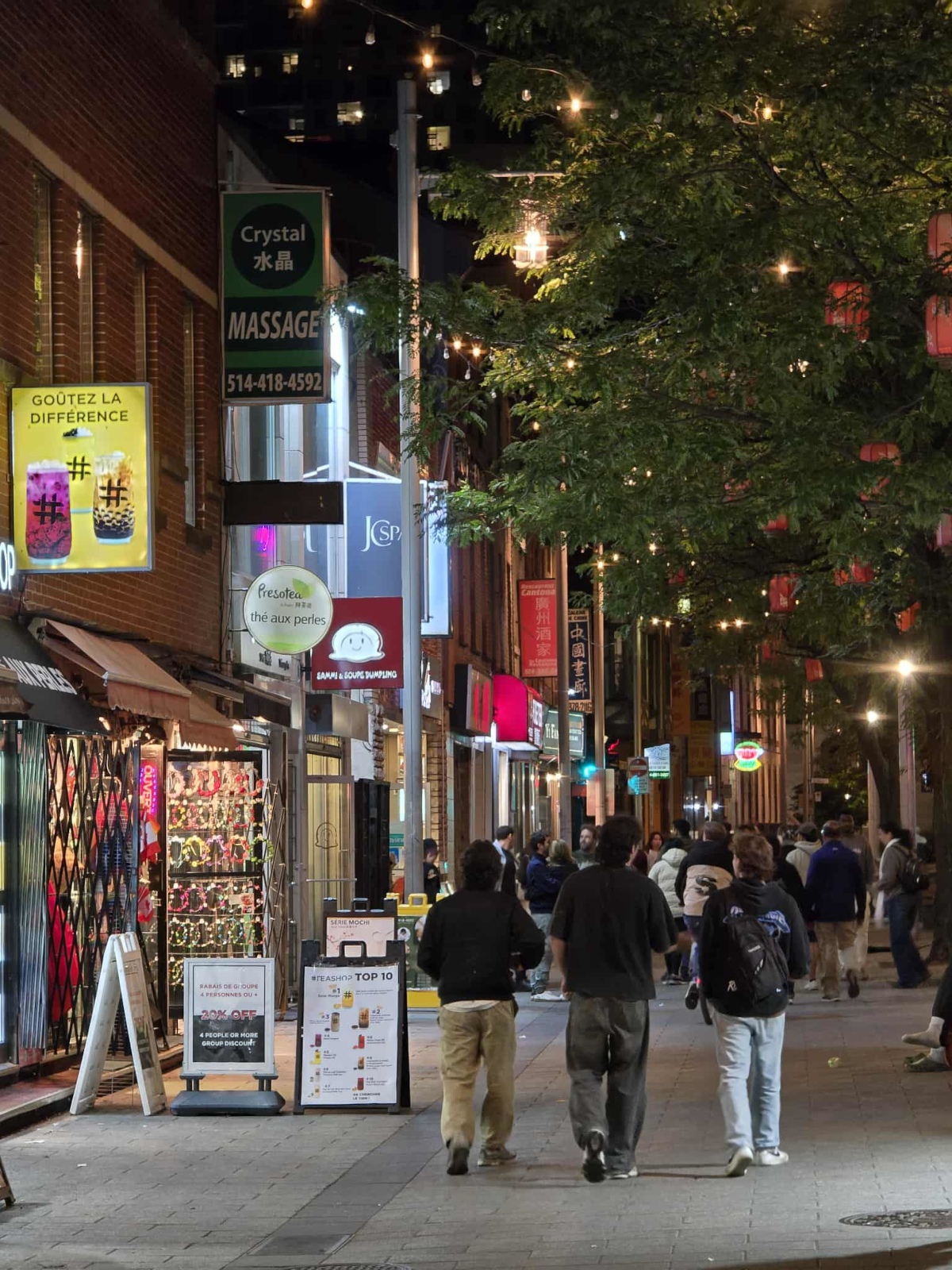
For food lovers, Montreal’s Chinatown is an essential stop during your stay. Even though the area is relatively small, you’ll be surprised by the number of restaurants concentrated in just a few streets.
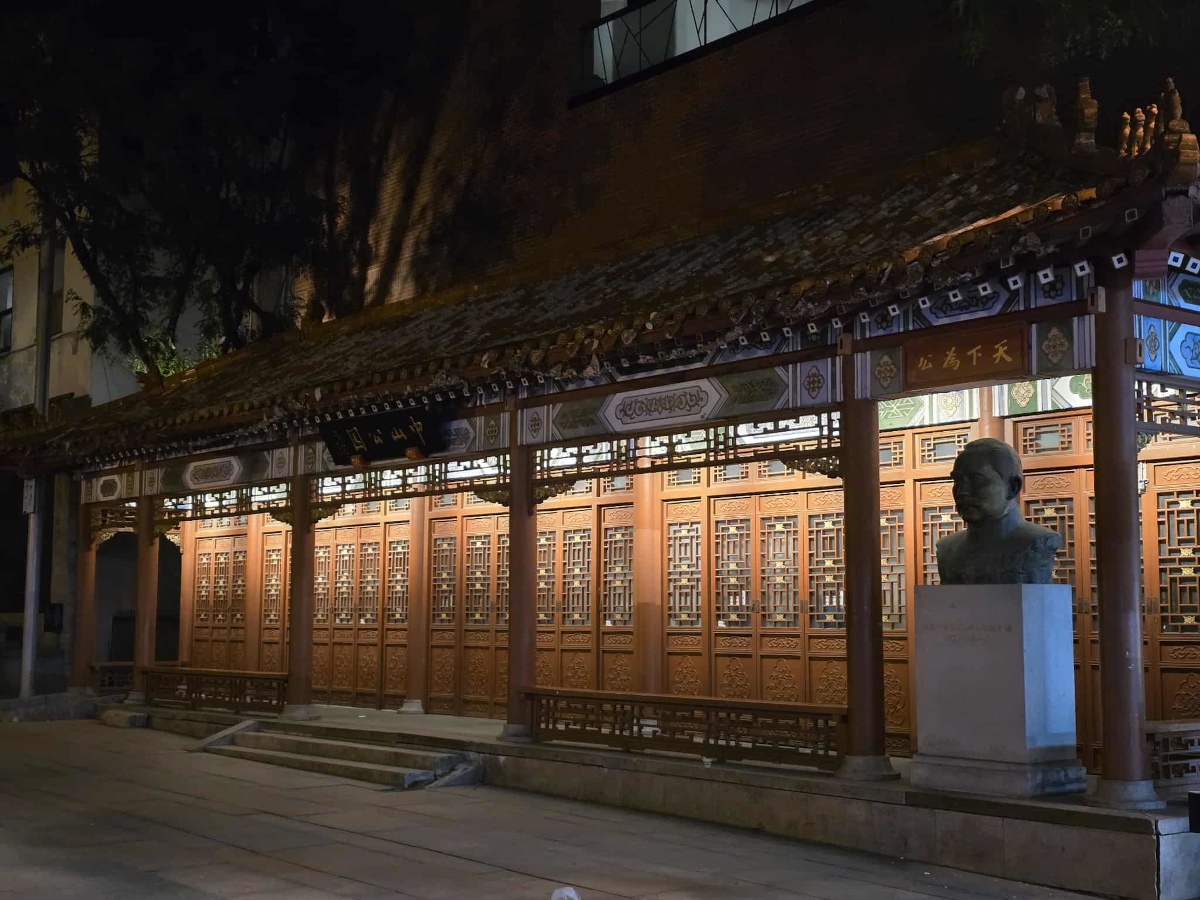
Several quick snack options are worth trying. Pâtisserie Harmonie and Pâtisserie Coco are famous for their Hongkong style egg tart (a more subtle and smooth version of the portuguese pastel de nata), and savory and sweet buns. Fuwa fuwa Montréal Chinatown is specialized in soufflé pancakes, and Dragon Beard Candy offers traditional Chinese sweets made fresh in front of you. Sweets are made of very thin strings of sugar, filled with a mix of nuts or coconut. For something salty, grab a BBQ Pork or Cabbage pork bun at Bao and sit at the Place Sun-Yat-Sen for a short break.
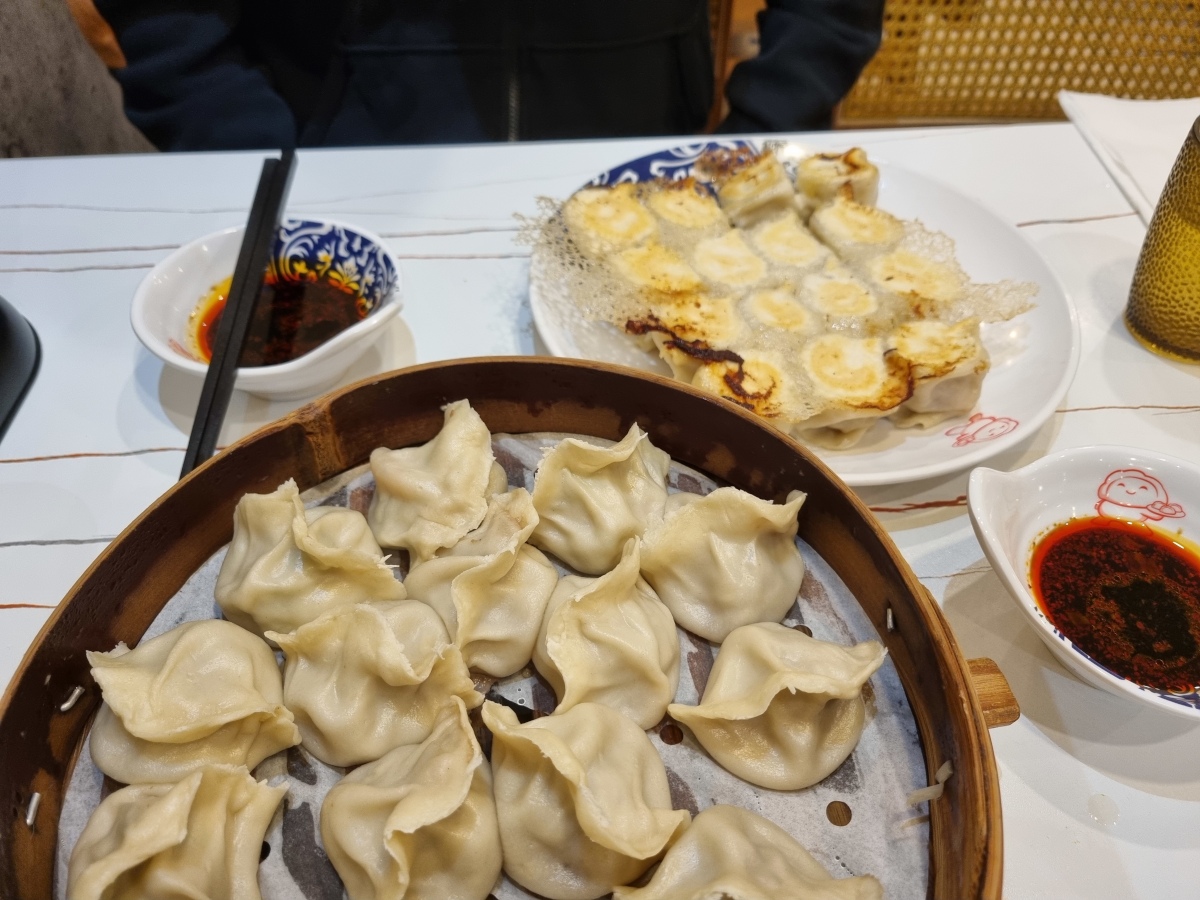
Chinatown is also home to many authentic restaurants. Sammi & Soupe Dumpling and Nouilles de Lanzhou are both my favorites. Visit this article to discover the best authentic restaurants in Montreal’s Chinatown.
Walk around the Plateau-Mont-Royal
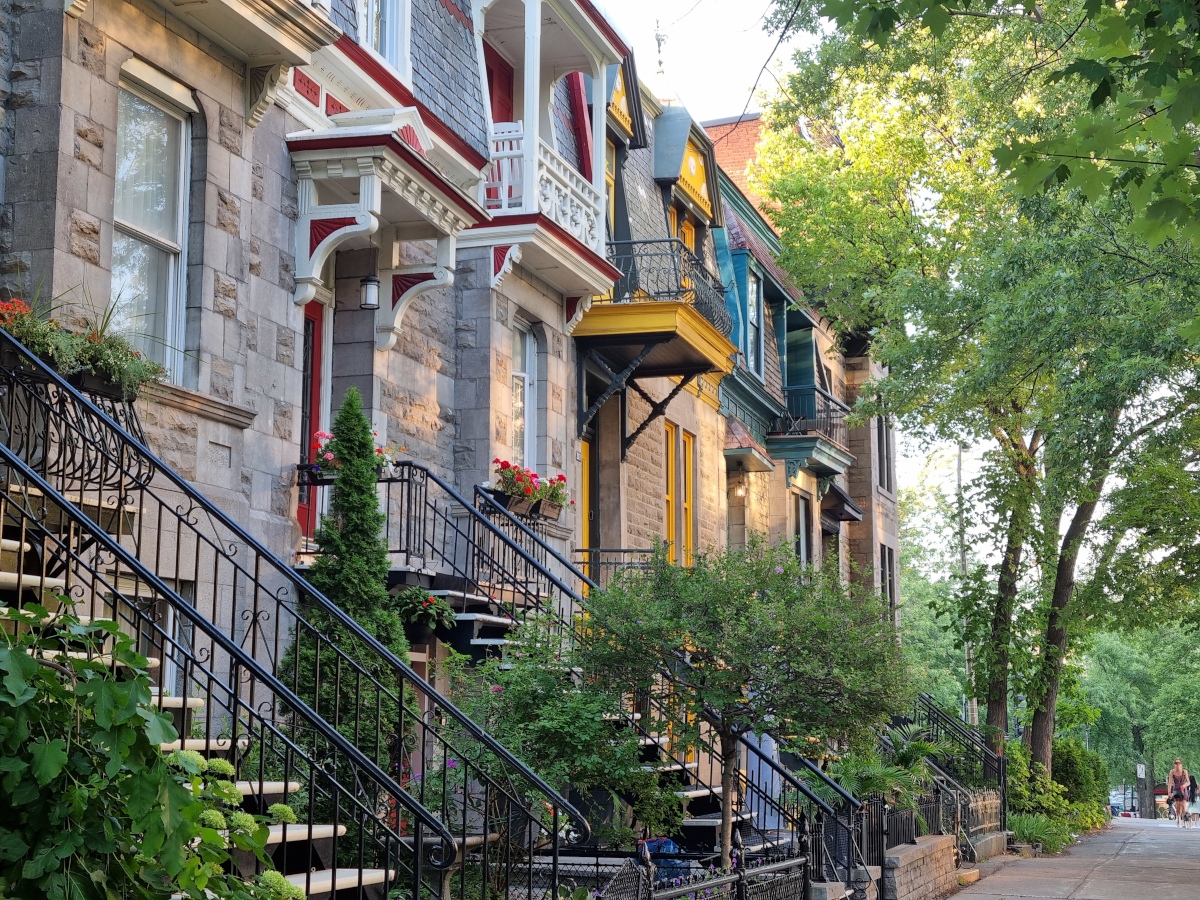
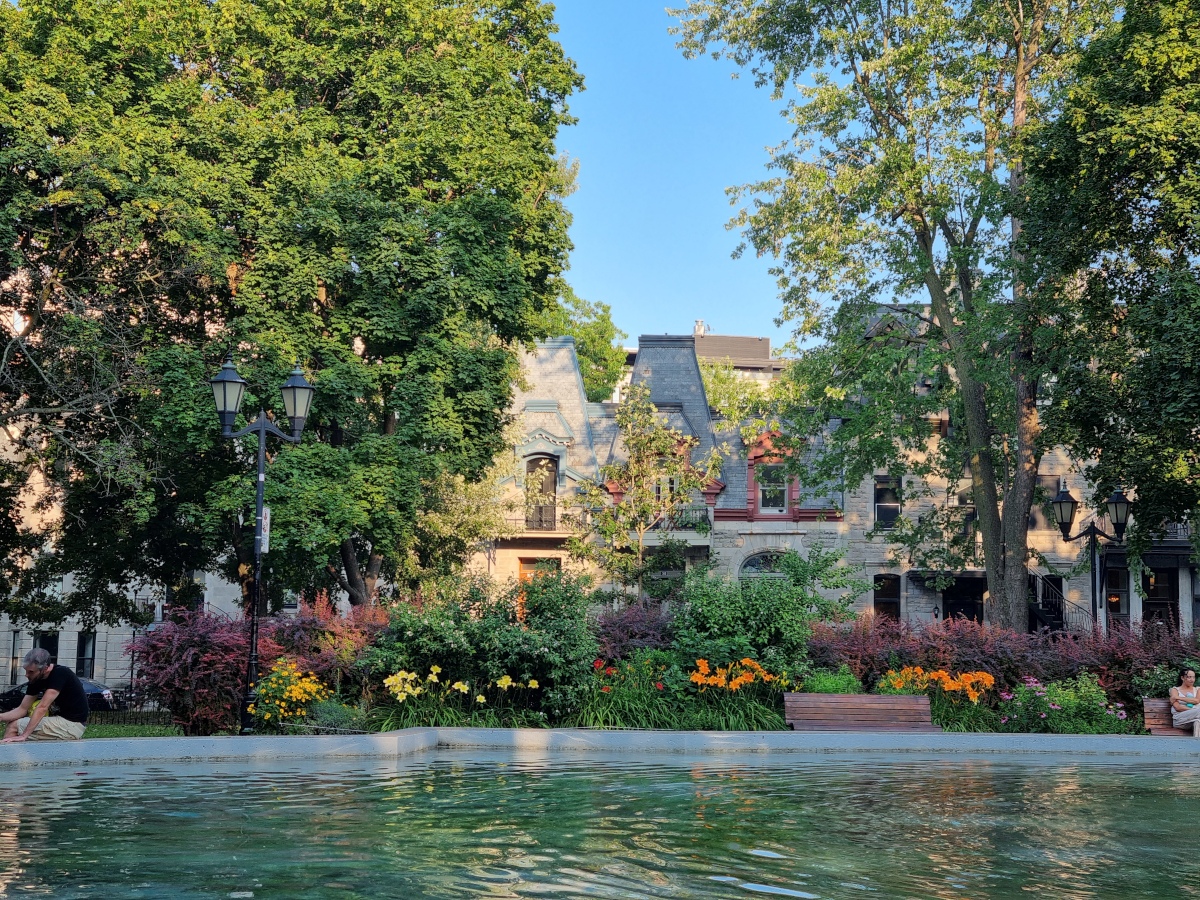
The Plateau-Mont-Royal, often simply called Le Plateau, is the French neighborhood known for its charming streets, outdoor staircases, and colorful façades.
First, start from Sherbrooke station and go towards Mont-Royal station. From there, wander around Laval (near Square Saint-Louis), Drolet, Henri-Julien, Coloniale, and Berri streets. In this area is located the famous smoked meat place Schwartz’s Deli. La Binerie Mont-Royal also serves Quebec style brunch, which is perfect to try some of Quebec’s specialties.
A bit up north, you’ll find the most famous poutine: La Banquise. After this stop, the Parc La Fontaine will be the perfect place to digest your meal. Starting June, the park is filled with barbecue smells and people playing softball, volleyball or molki. Check out my article about the best poutines in Montreal!
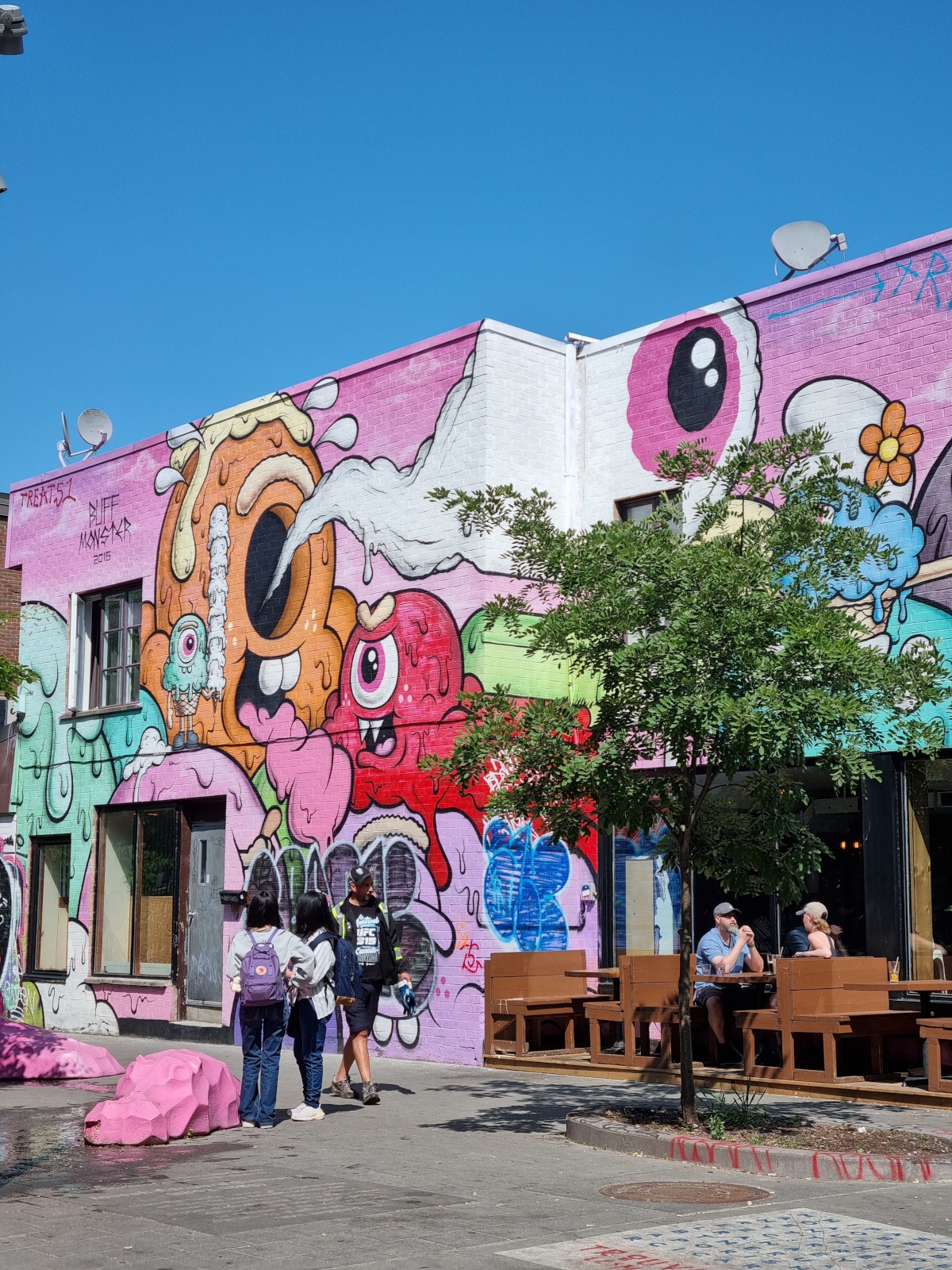
Popular restaurants are also located in the Mile End area: Drogheria Fine (gnocchis), Fairmount Bagel, Kem Coba and Iconoglass (ice creams), Wilensky (sandwiches), and Fabergé (brunch).
Notre-Dame Basilica of Montreal
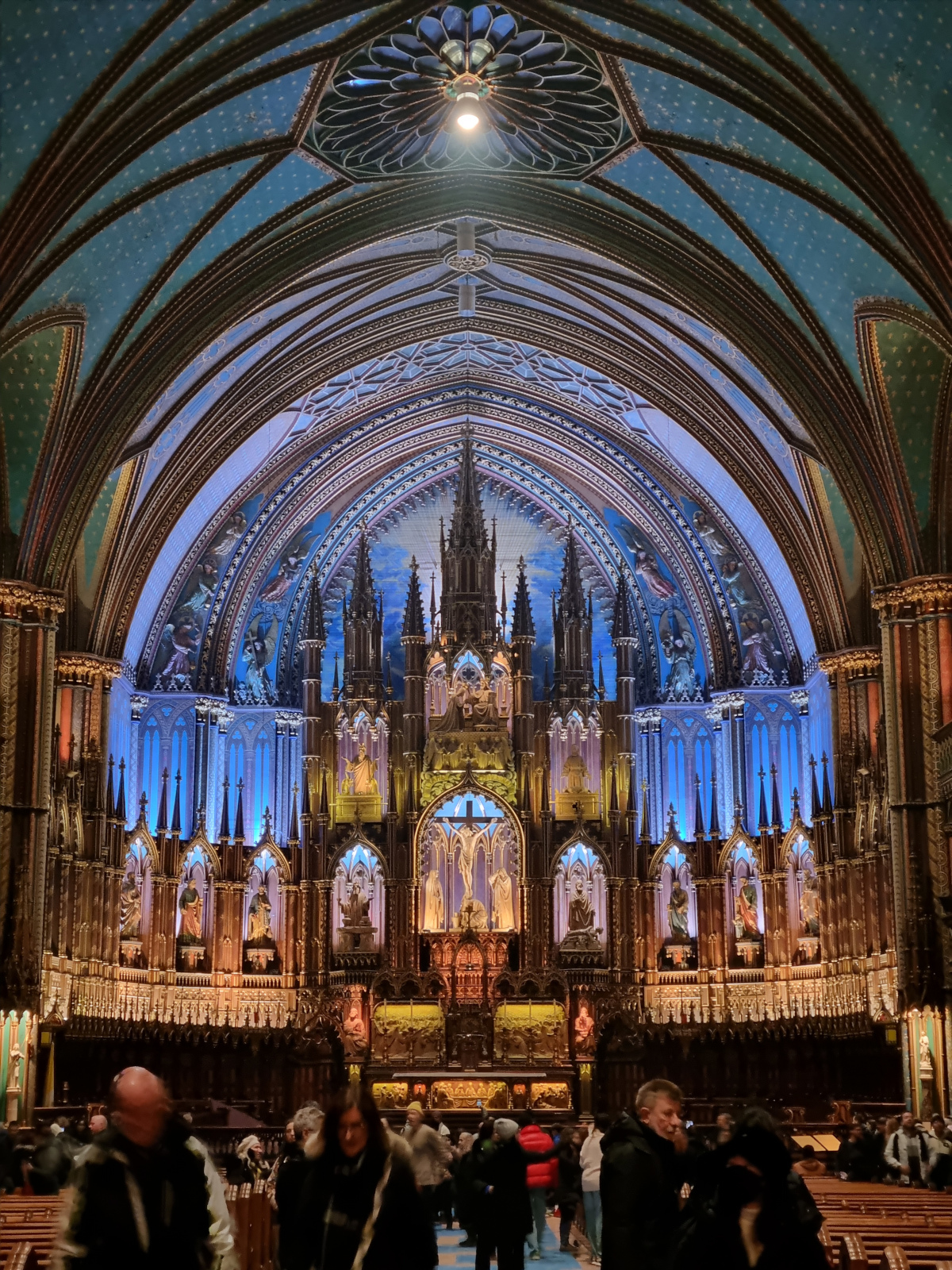
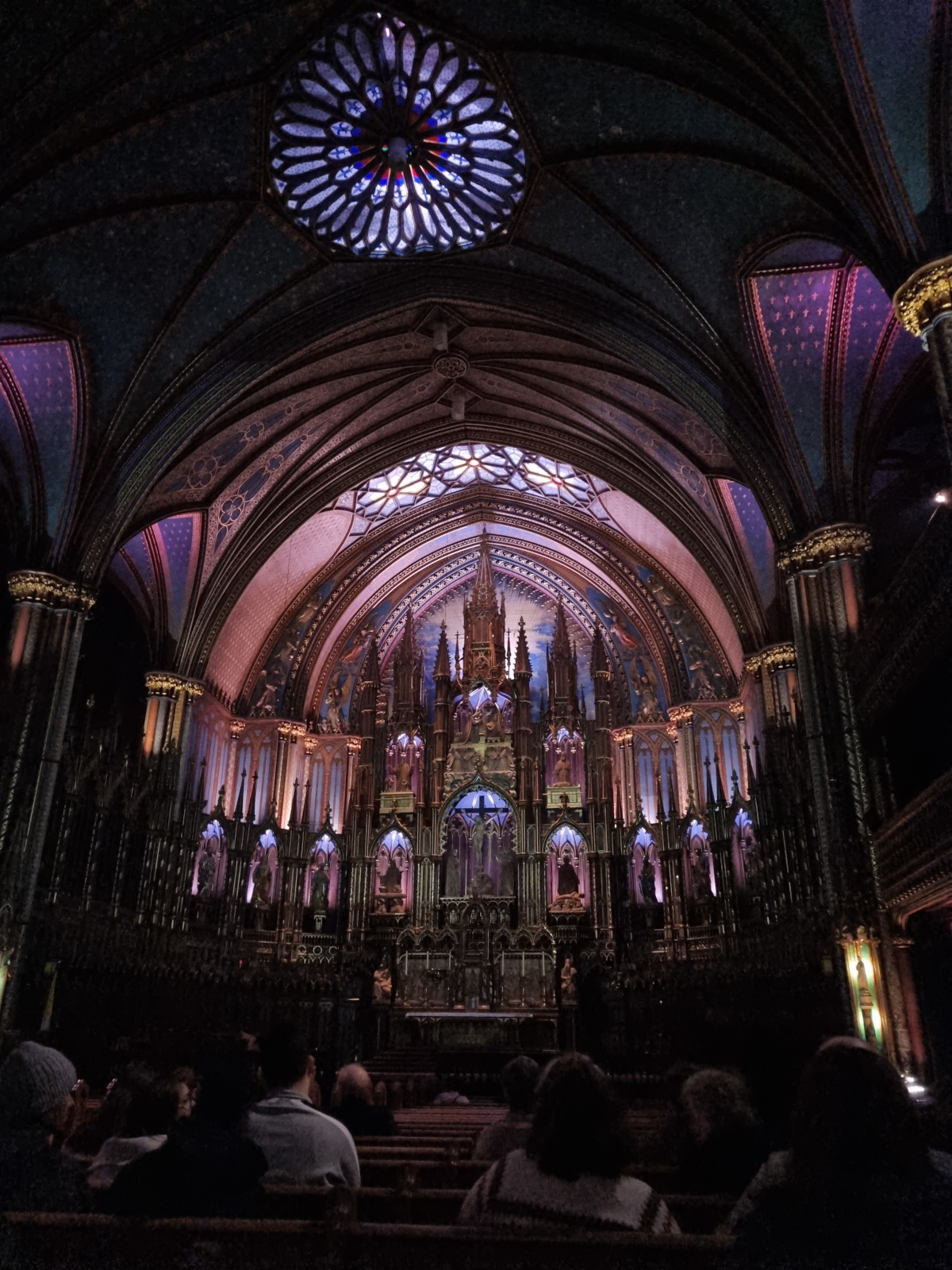
Notre Dame Basilica of Montreal, inaugurated in 1829, is definitely worth a visit for its Gothic Revival architecture, beautiful ceiling and stained glass windows. Unlike most churches which show biblical scenes, the windows depict Montreal’s history and its religious roots with the arrival of the Sulpicians in the city or the lives of notable parishioners.
Beyong religious ceremonies, the Basilica hosts many events including concerts, choral performances, and the immersive AURA light and sound experience. If you get the chance, I recommend visiting during an event as it allows you to discover the Basilica while enjoying a show for nearly the same price as the regular visit.
Botanical Garden
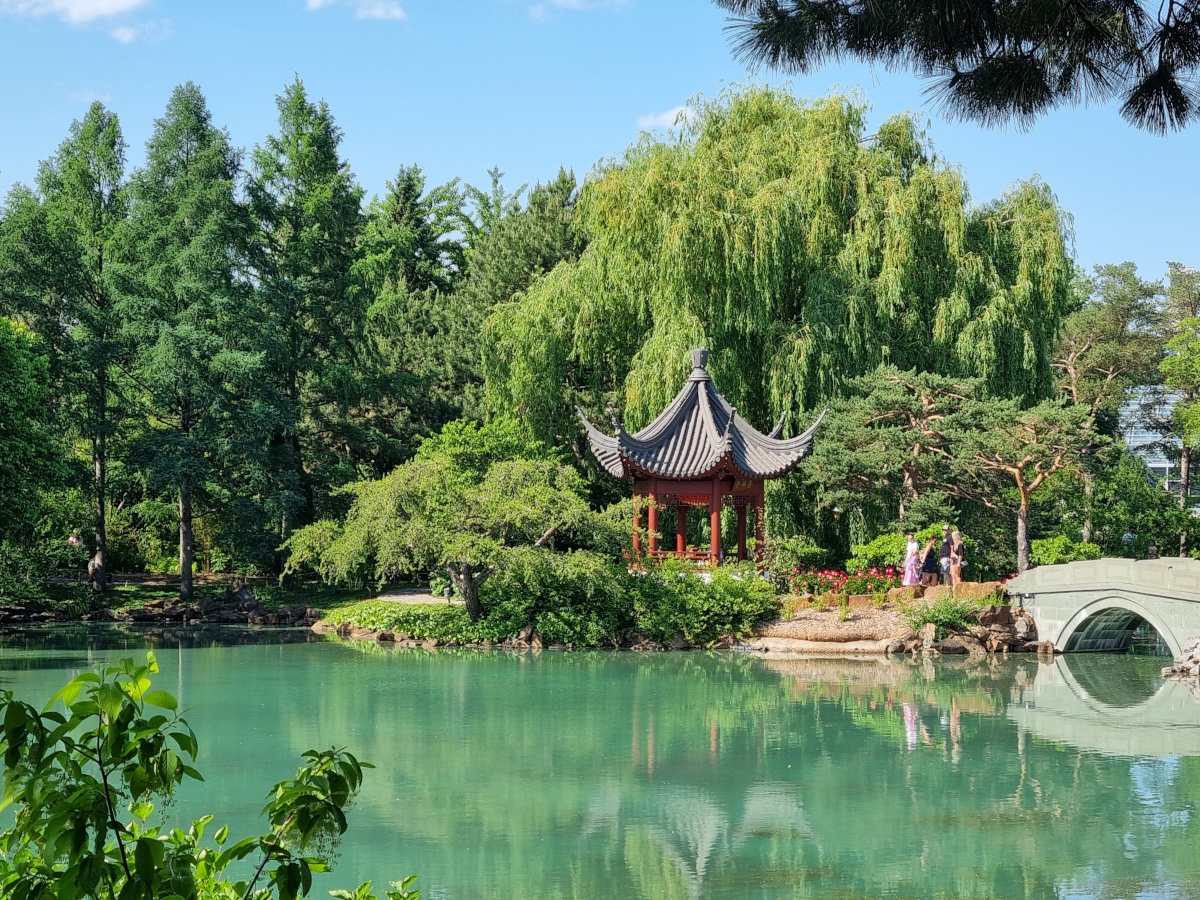
If you like green spaces, the Botanical Garden is well worth a visit. Personally, I enjoyed the Chinese and Japanese gardens, and the Ruisseau fleuri. In September and October, magical lanterns are installed in the Chinese and Japanese garden for the Gardens of Light event. Perfect to enjoy after dark!
Furthermore, the Insectarium is worth considering, although the visit can be relatively short for the price. The Planetarium and Biodome are great choices if you enjoy astronomical explorations and space related short movies or seeing penguins and otters in replicas of different ecosystems.
Each visit costs 23.75 Canadian dollars for adults and can be purchased on Espace pour la Vie. A discounted price is available for seniors, students, and kids and is free under 4. If you plan to do all 4 activities or visit as a duo or family, it could be worth buying the “Espace pour la vie passeport”, which can be bought solo or for your partner + 3 kids. This passeport also gives you access to the Biosphere in the Jean-Drapeau park.
Sainte-Catherine street
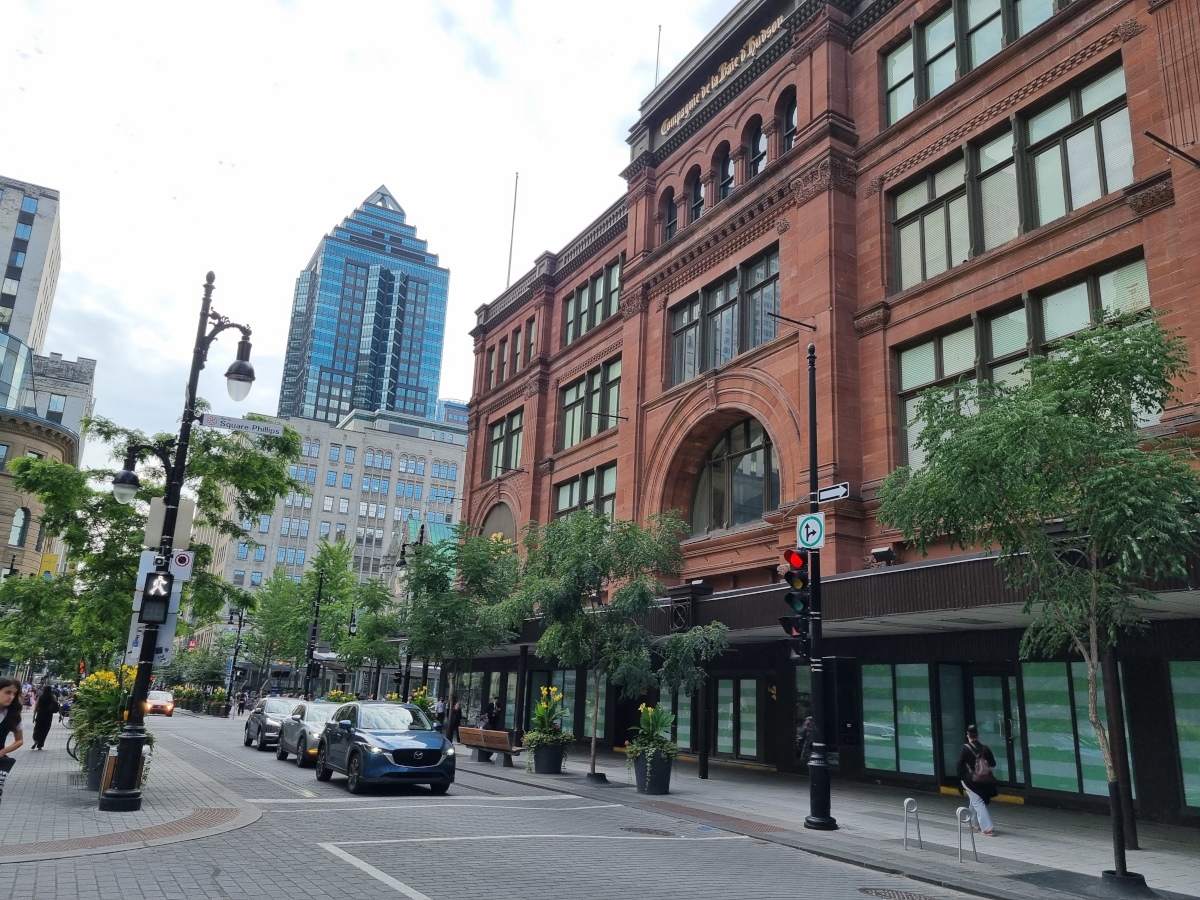
Sainte-Catherine is Montreal’s main shopping street. And like any street here, it’s several kilometers long (11 to be precise).
Near the Guy Concordia station are some great asian restaurants, mostly Korean and Japanese. Visit Daldongnae for K-BBQ, COQCOR for Korean fried chicken, Gyubee Grillades Japonaises for Japanese barbecue, or Fondue Haidilao for Chinese hot pot. This area is very vibrant and young, and even just walking around is pleasant.
For clothes, go near Maison Simons or walk up until Centre Eaton. Plenty of stores are located in these centers and near them.
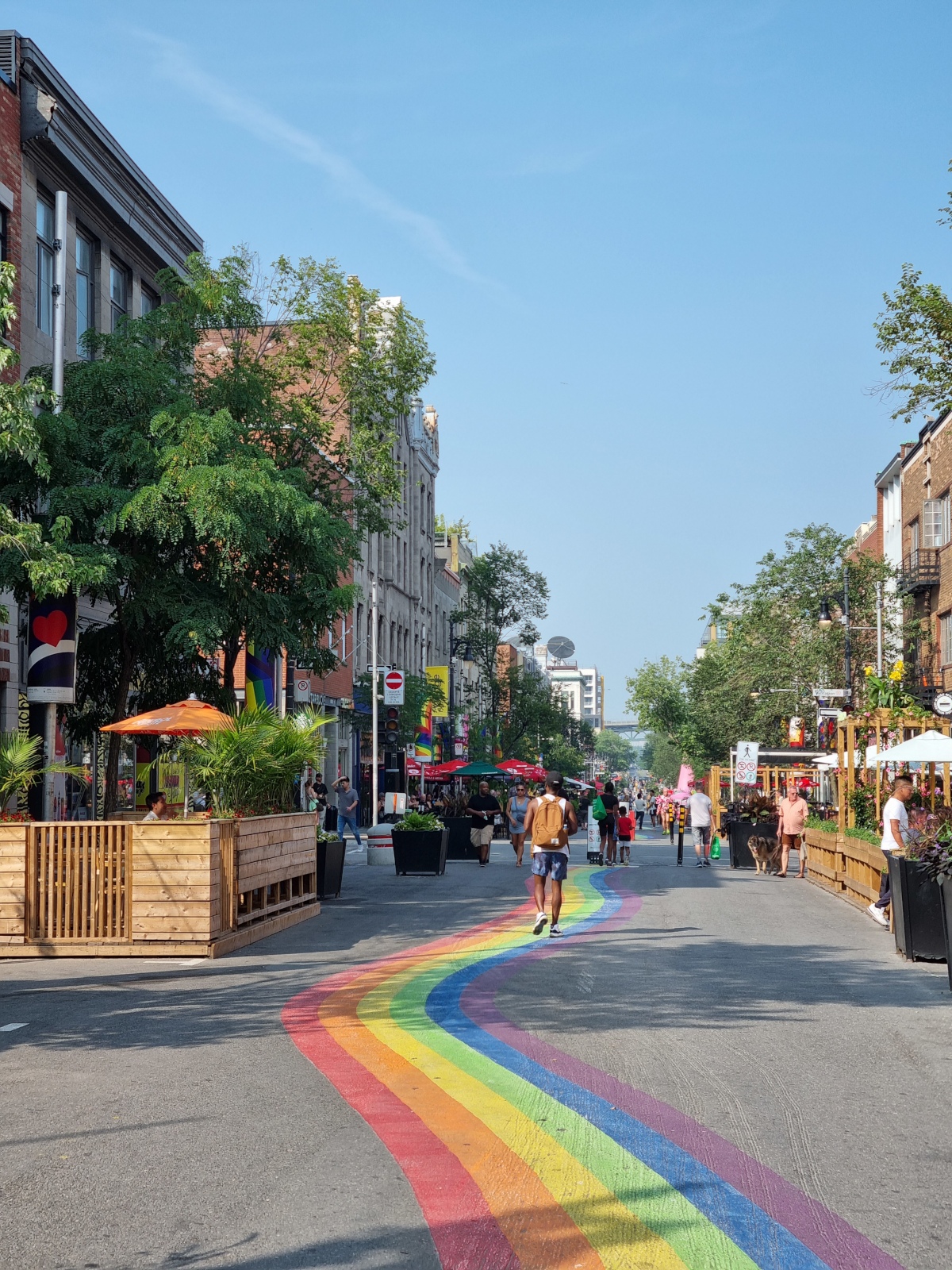
On the east side of the street, from Beaudry to Papineau, is one of the largest LGBTQ+ district in North America, called Le Village. From May to September, this area is pedestrian only, which is great to enjoy an inclusive, lovely and colorful atmosphere.
See a hockey game in Center Bell and a Football game in the Percival-Molson Stadium
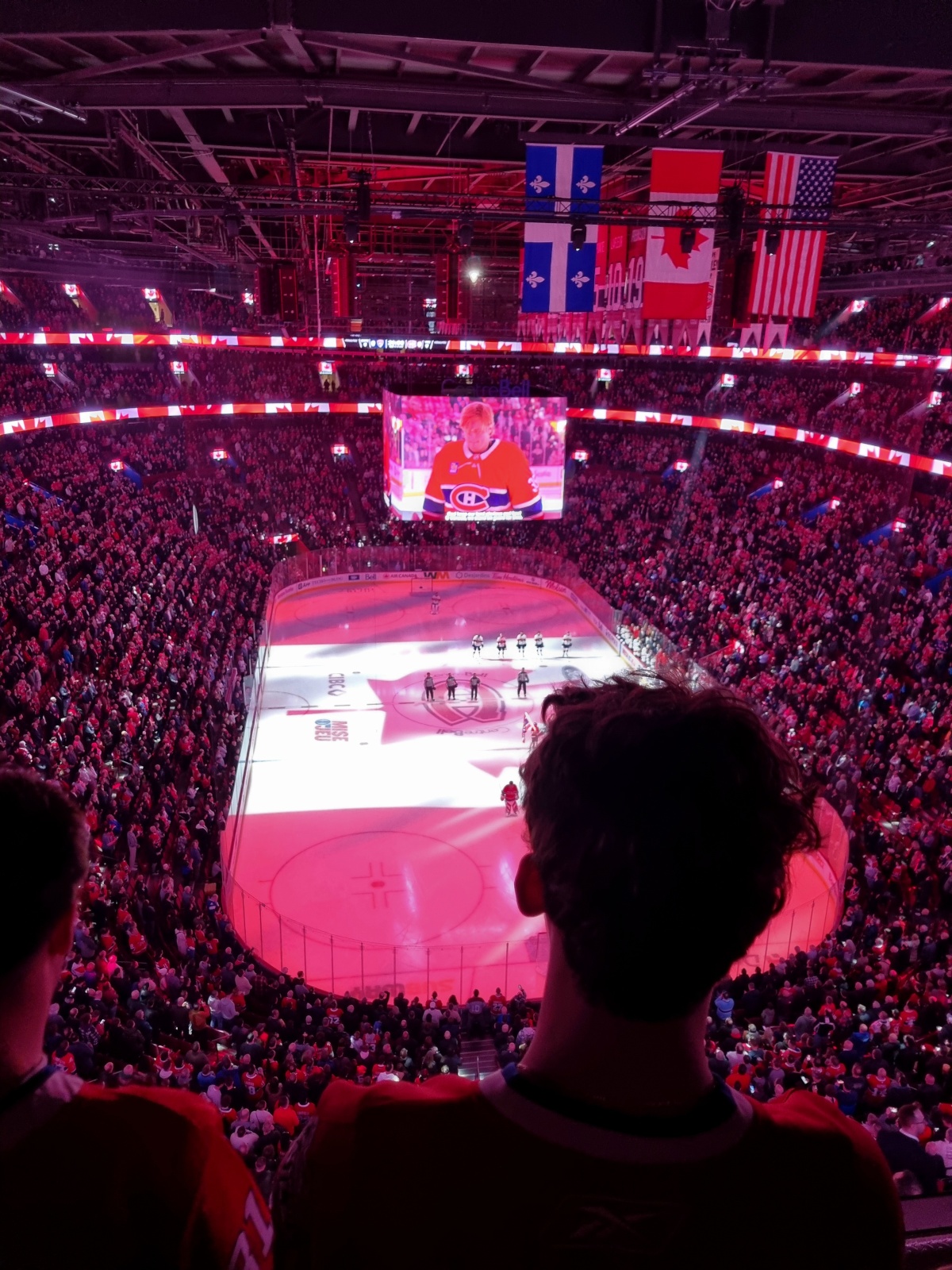
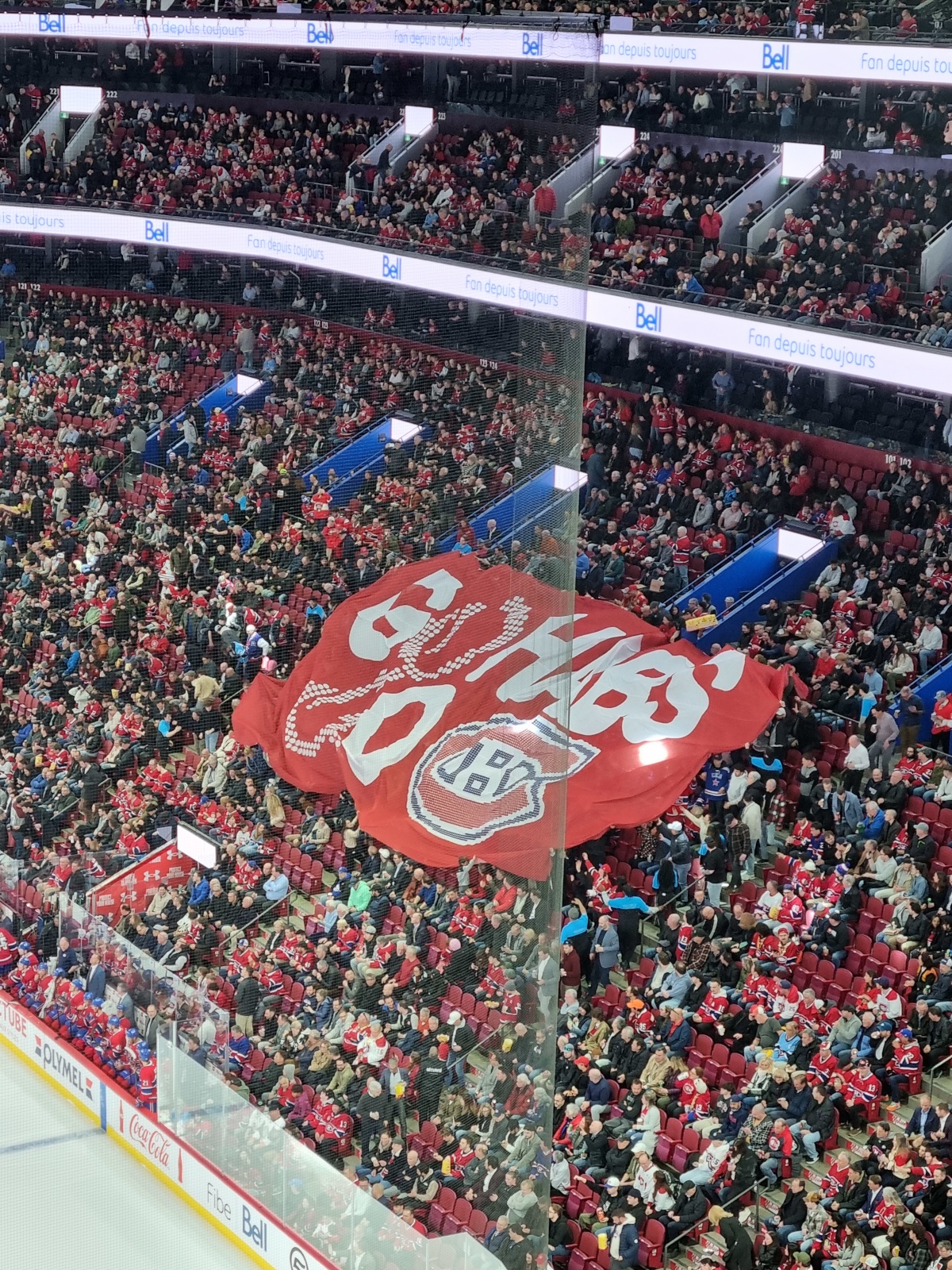
I’m no sports fan, but watching a sport game in North America is an incredible experience. More than just watching a game, it is a social event for everyone, whether it be friends, families, or couples.
Actually, Canadians love their hockey. It is deeply ingrained in the culture and most people I encountered played in clubs or just with friends when they were kids. The atmosphere in the Center Bell stadium is vibrant, with music, challenges, and ads for pizza every minute. And games are pretty intense too! Make sure to see the Canadiens de Montréal play to witness all Canadians cheer for their iconic local team between October and April (or until May if the team qualifies).
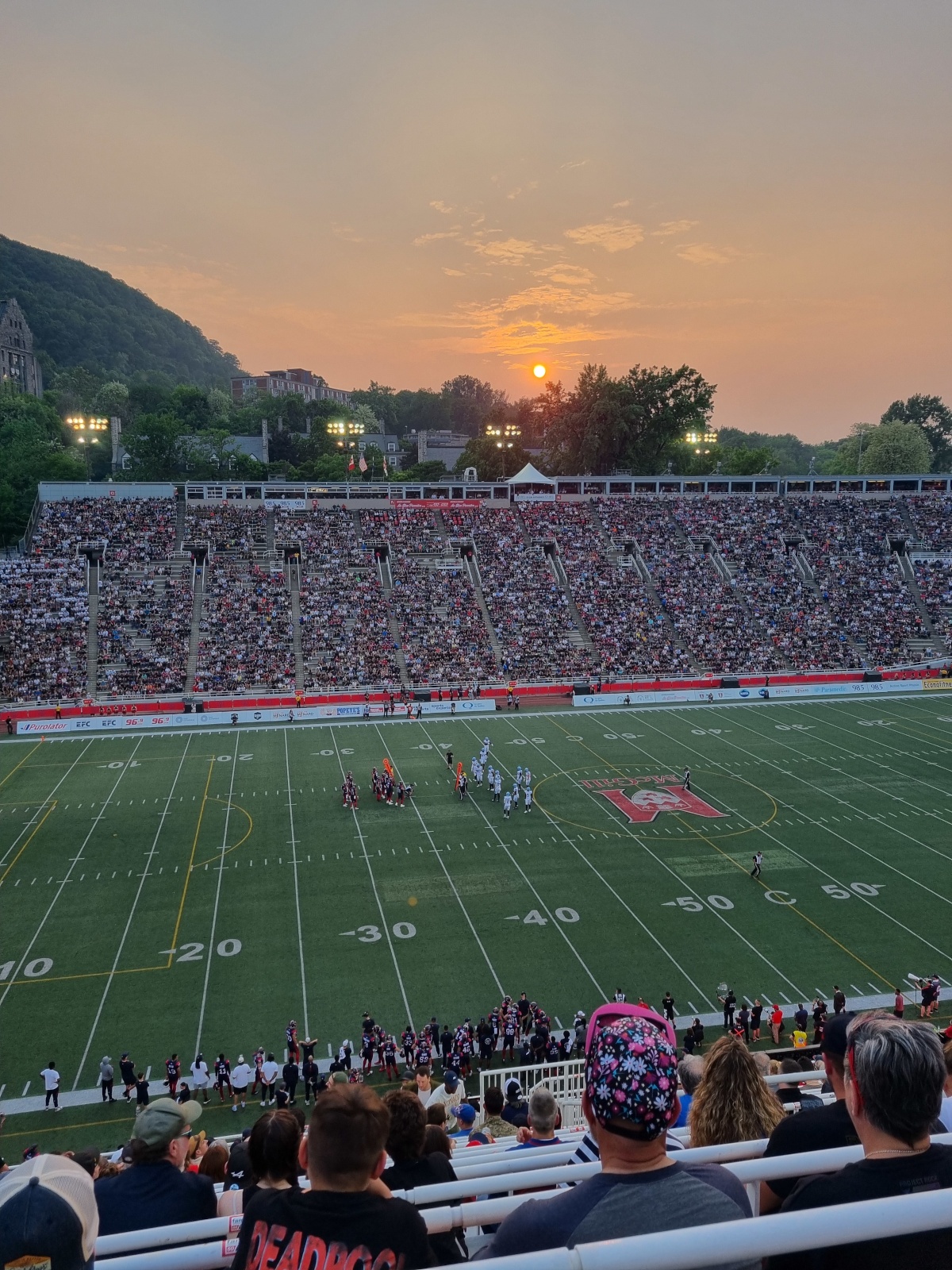
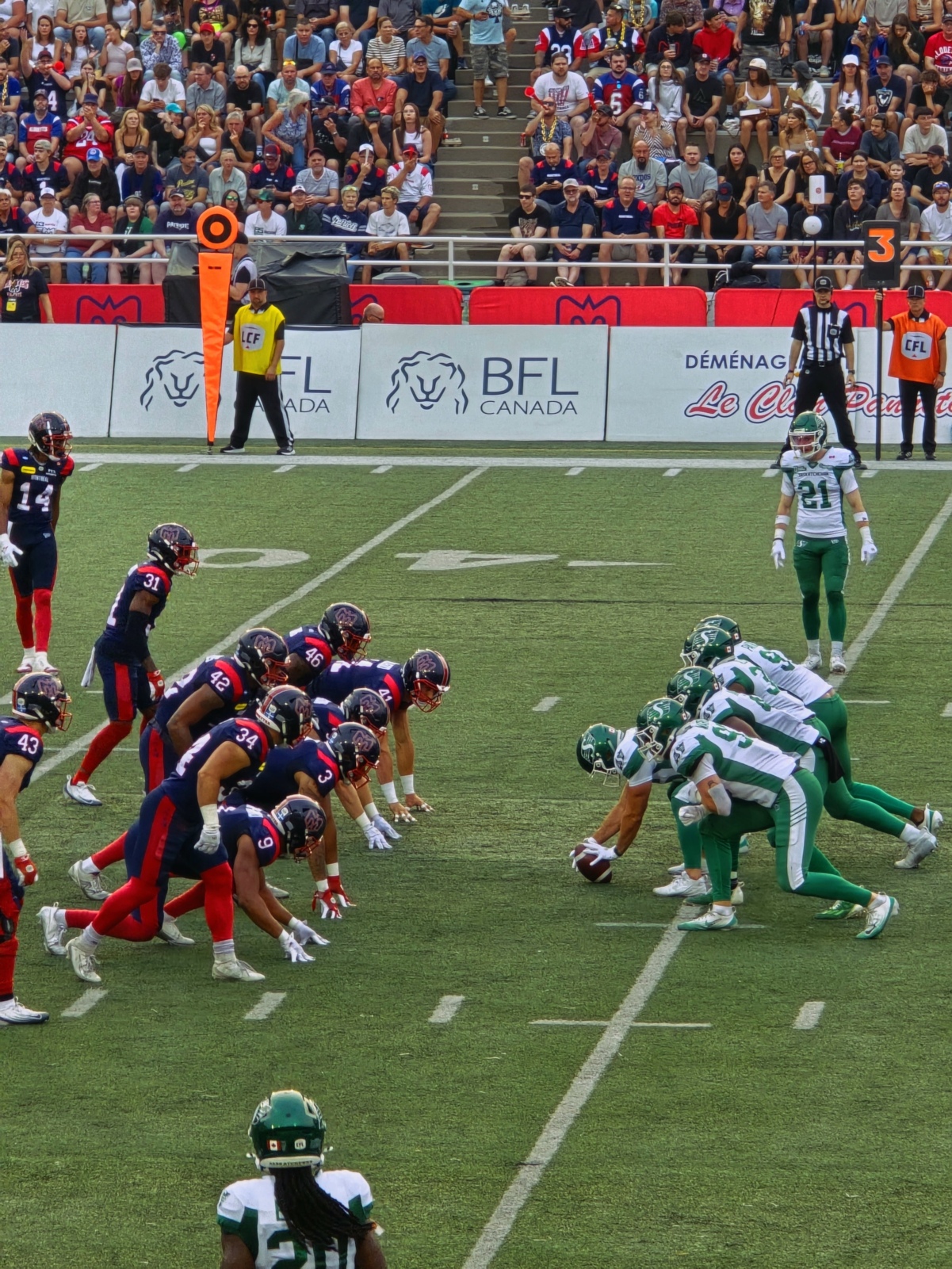
Although football is not as popular as hockey, it is still very big. Game day may include a tailgate (pre-BBQ open to anyone even without a ticket), food court, military aircraft (you read correctly) flying by at the climax of the national anthem, a mid-game concert with local artists, and even cheerleaders! The season goes from June to October in Percival-Molson stadium.
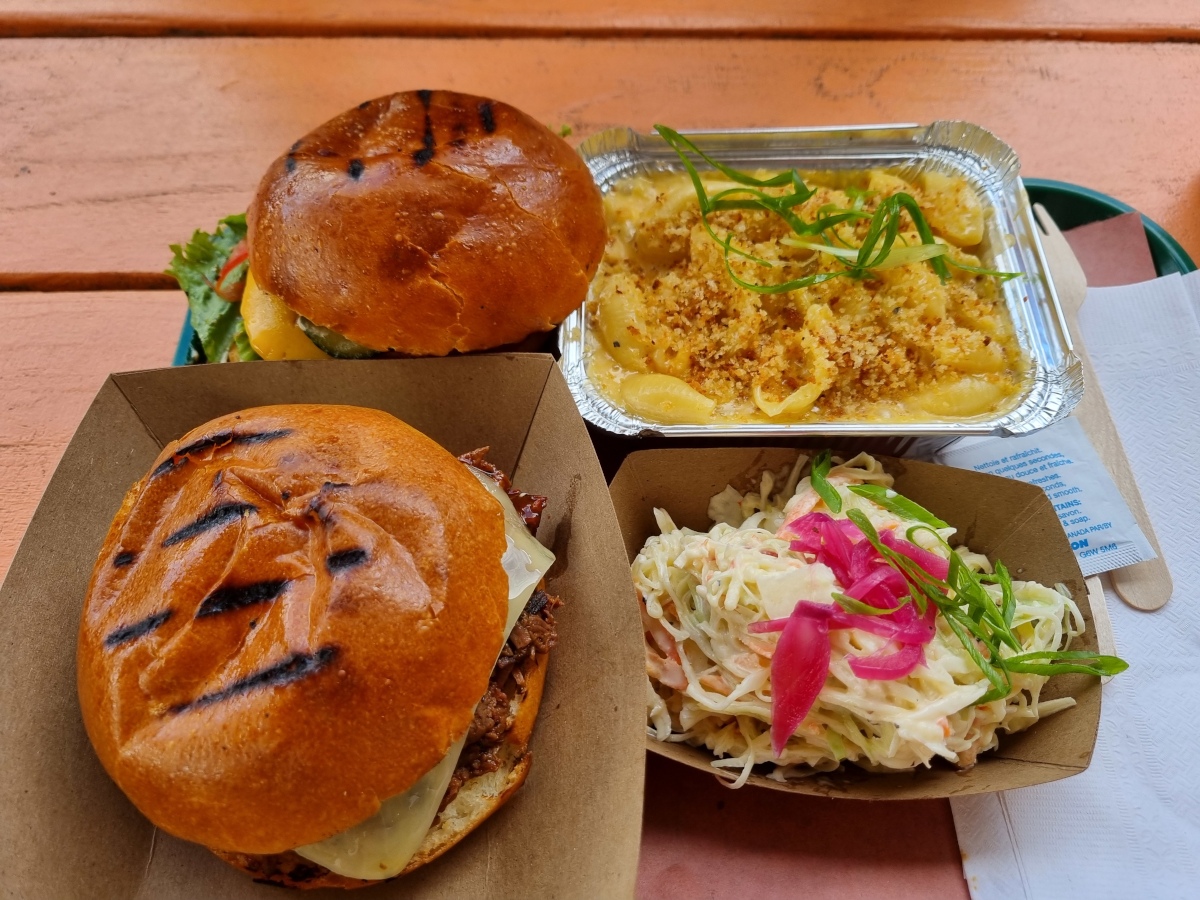
Don’t forget to grab hot dogs, burgers, and poutine to enjoy while you watch the game! (my favorite part)
Visit a food market (Jean Talon, Atwater…)
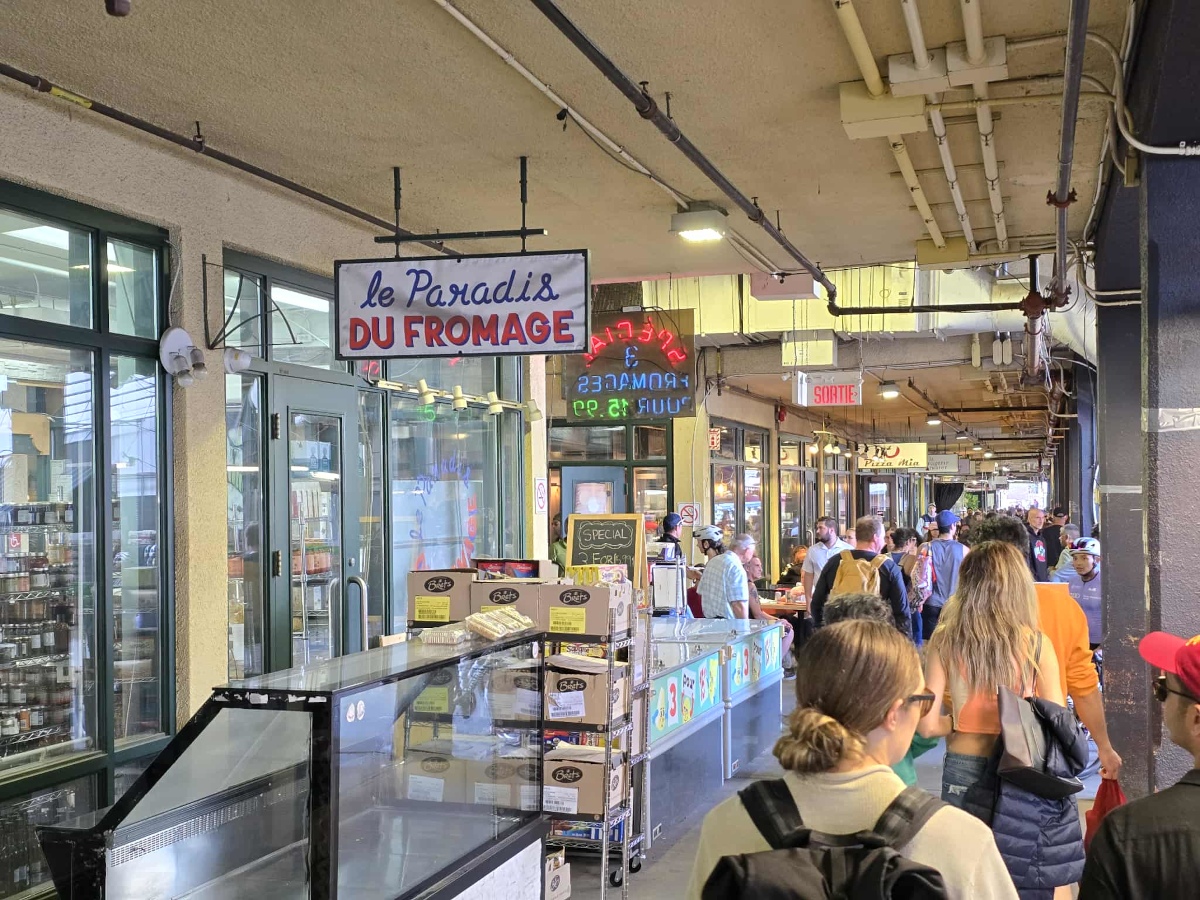
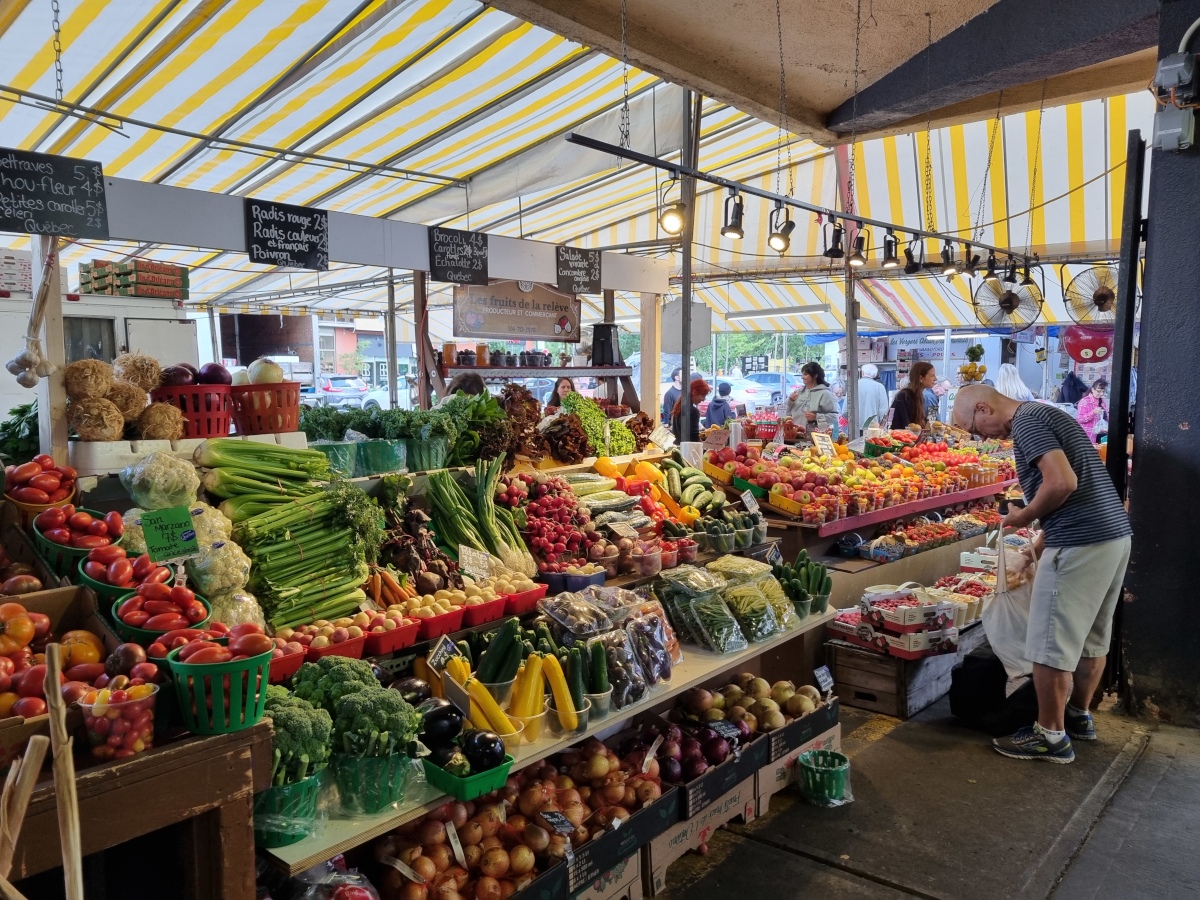
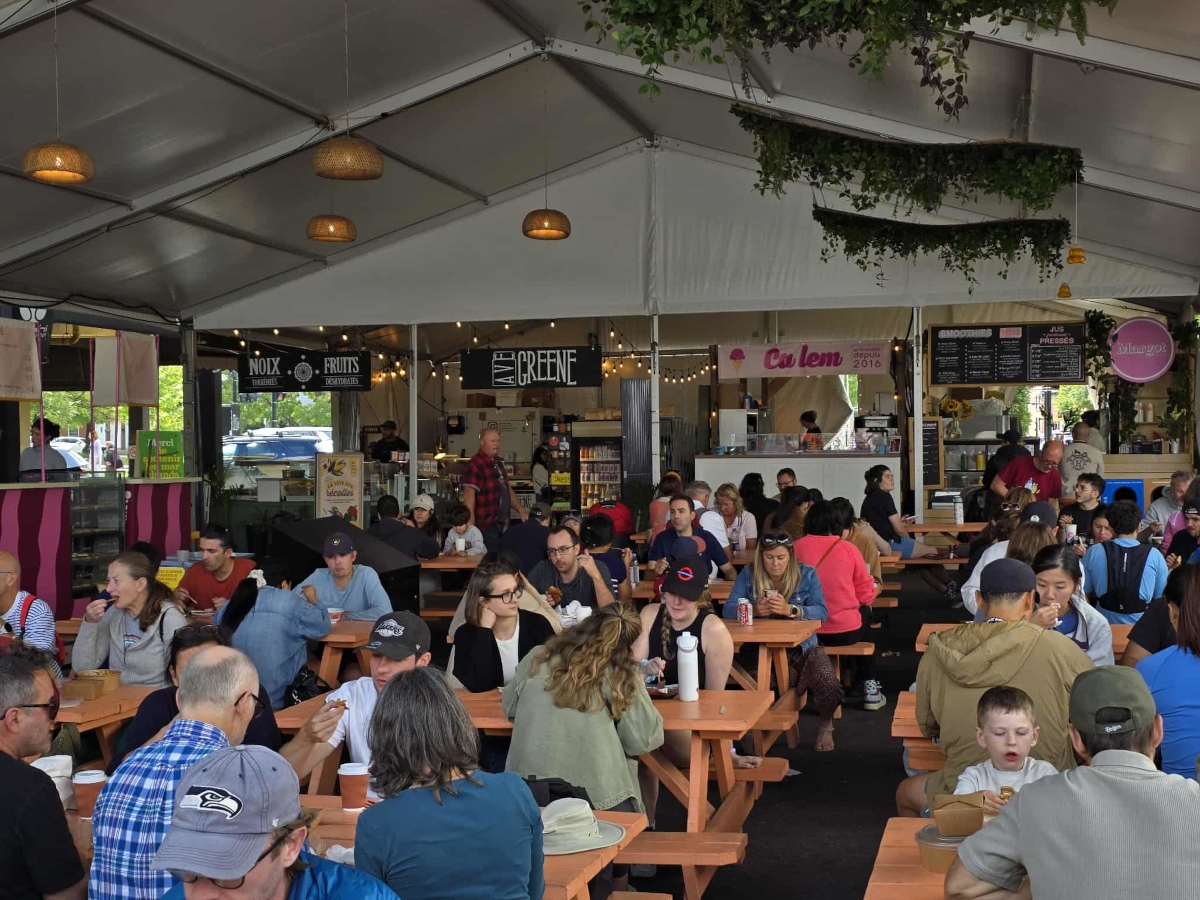
Visiting food markets is one of my favorite quick activities. Marché Jean Talon and Marché Atwater are very popular. In summer, people can also eat there. Souvenirs and traditional foods can be bought near Marché Jean Talon at the Marché des Saveurs du Québec.
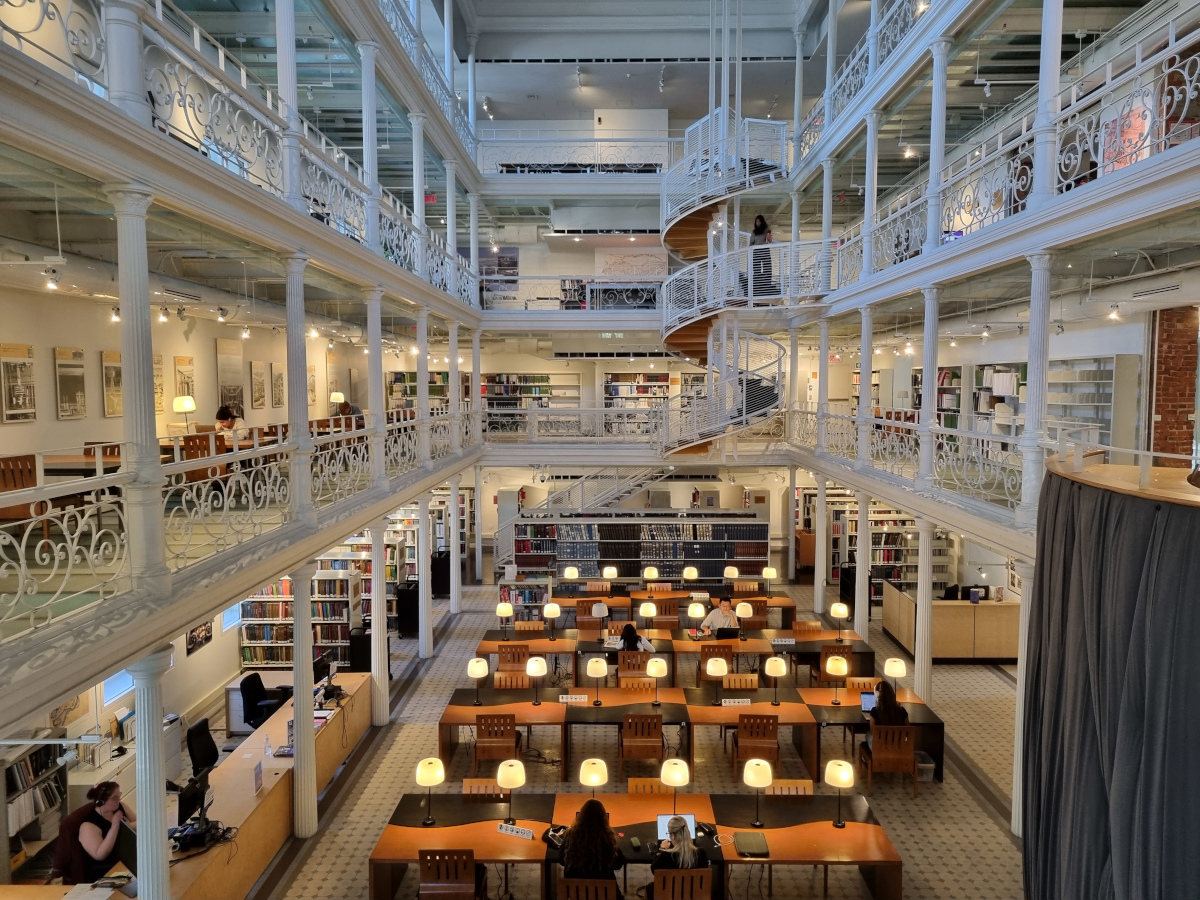
La Grande Bibliothèque de BAnQ
When time allows, and for anyone who enjoys beautiful libraries, this is a worthwhile stop. The main atrium is very beautiful and modern.
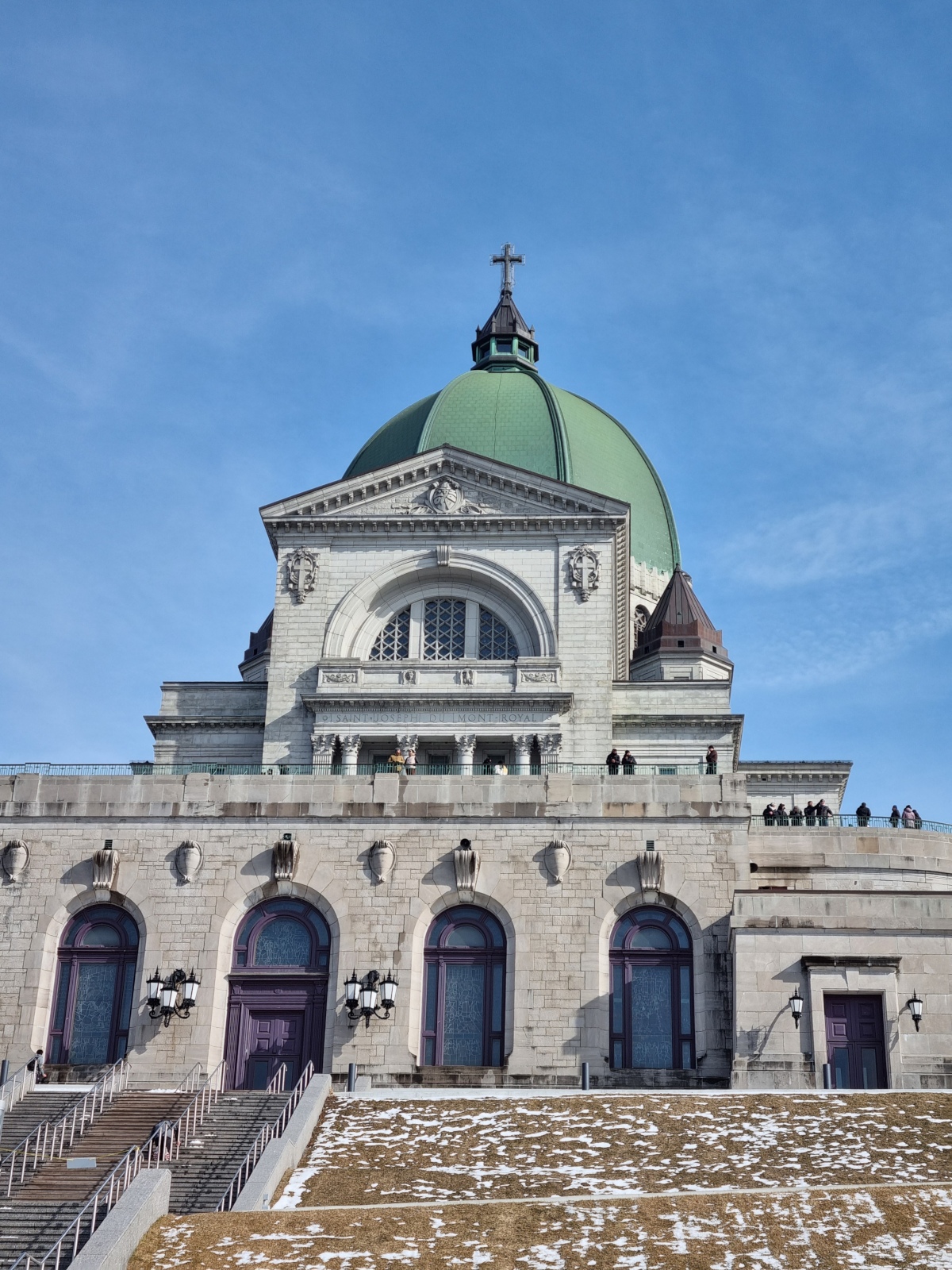
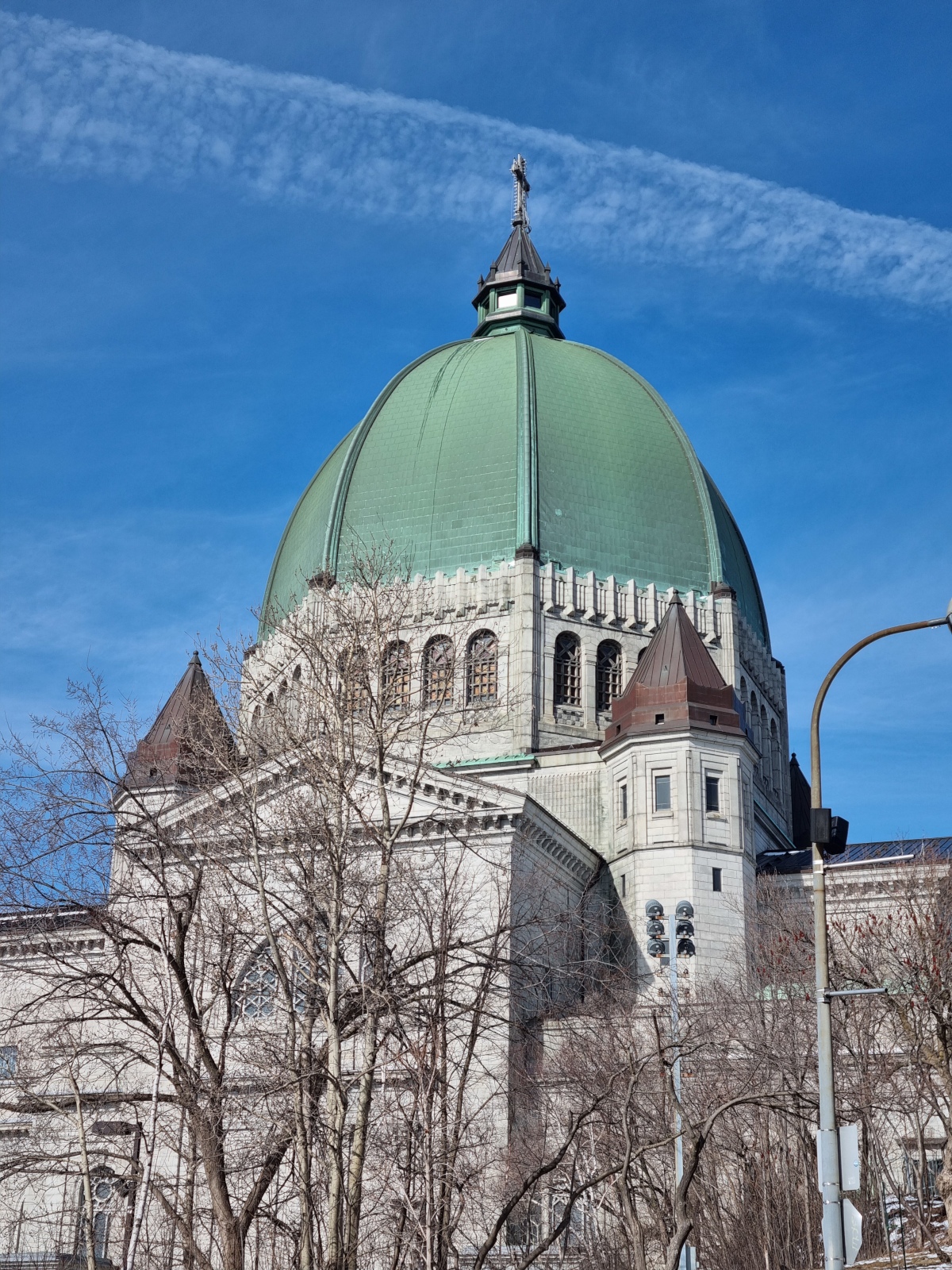
L’Oratoire Saint-Joseph
The Oratoire Saint-Joseph is a roman catholic basilica in honor of Saint Joseph, patron saint of Canada. The visit is free and both the interior and the outdoor view can be enjoyed. When the sky is clear, it is a popular spot to watch the sunset. You may come across people climbing the main outdoor staircase on their knees. This surprised me at first, but I’ve been told it is an act of faith to honor Saint Joseph.
Cabane à sucre (sugar shack)
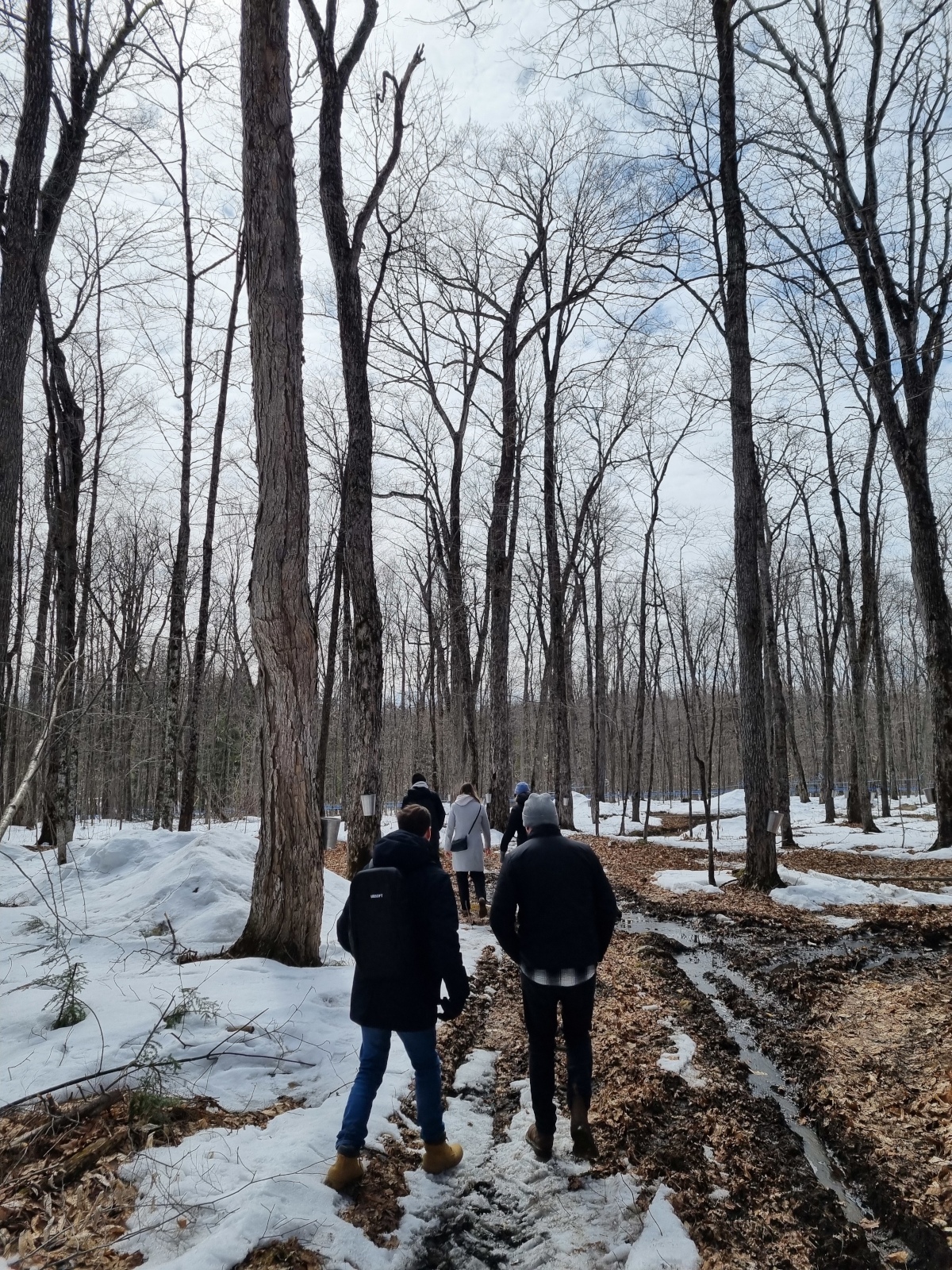
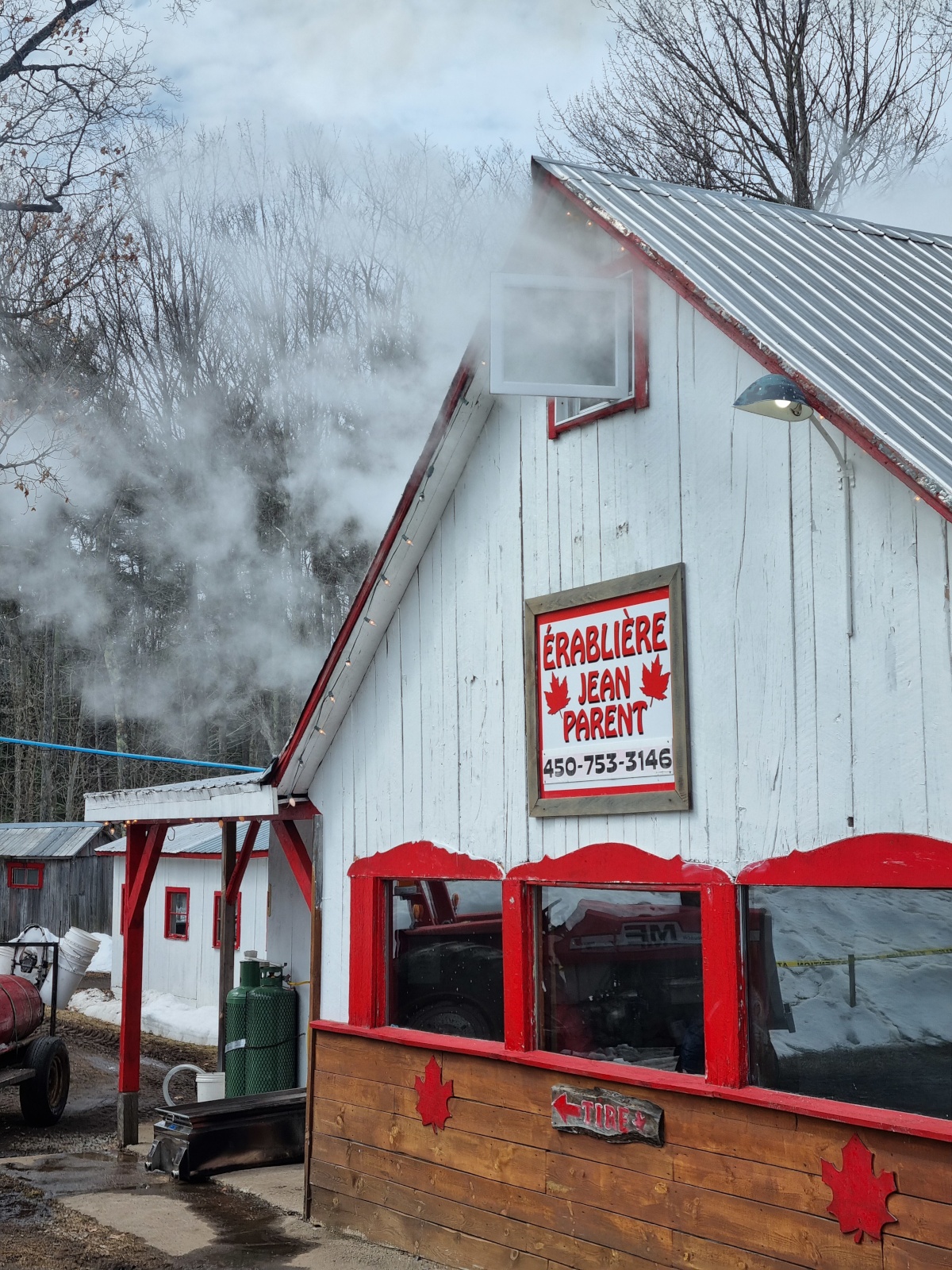
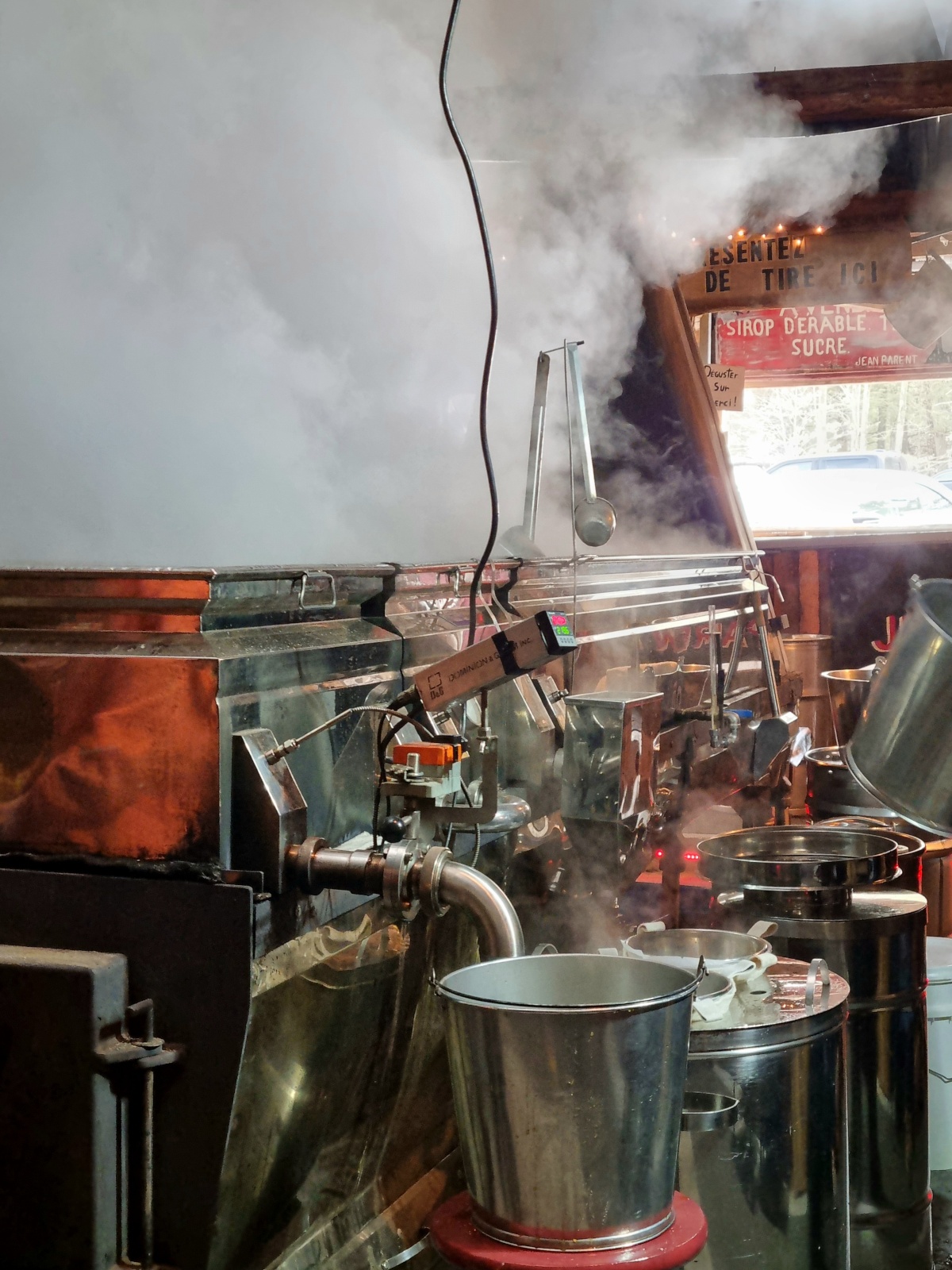
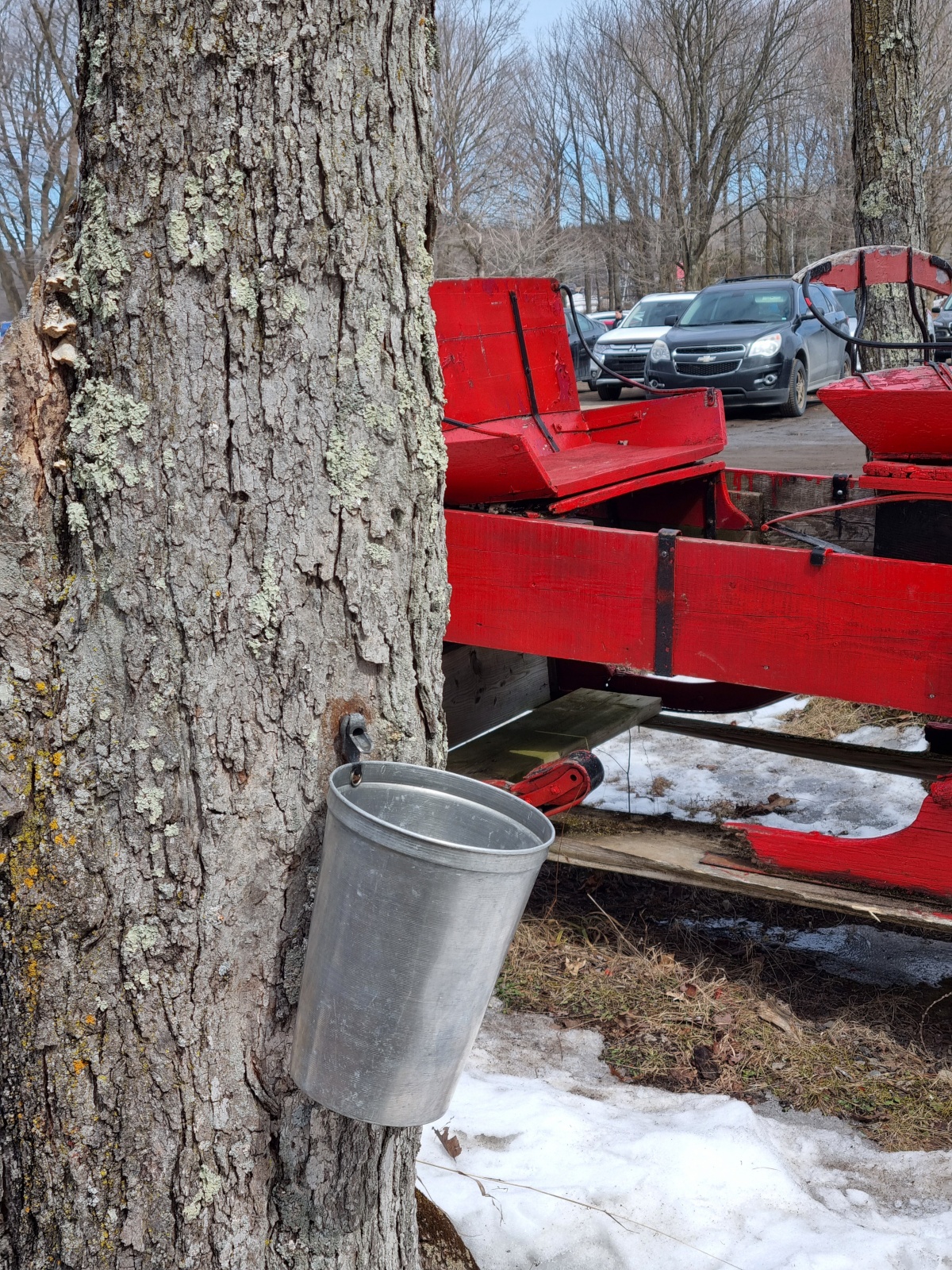
Last but not least, March and April are sugar shack season in Quebec. Because sugar shacks are located outside of Montreal in Maple forests, you will need a car to go there.
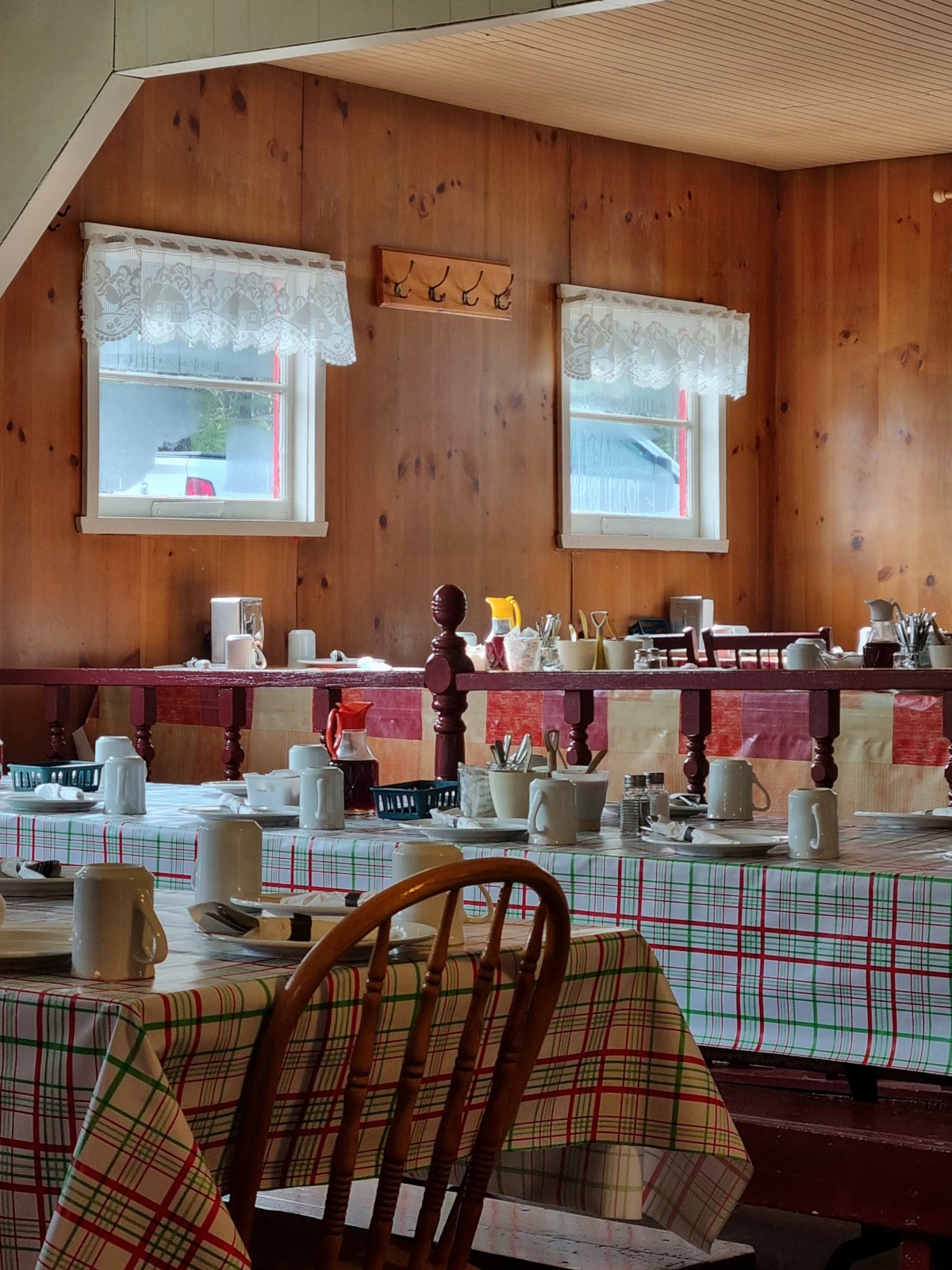
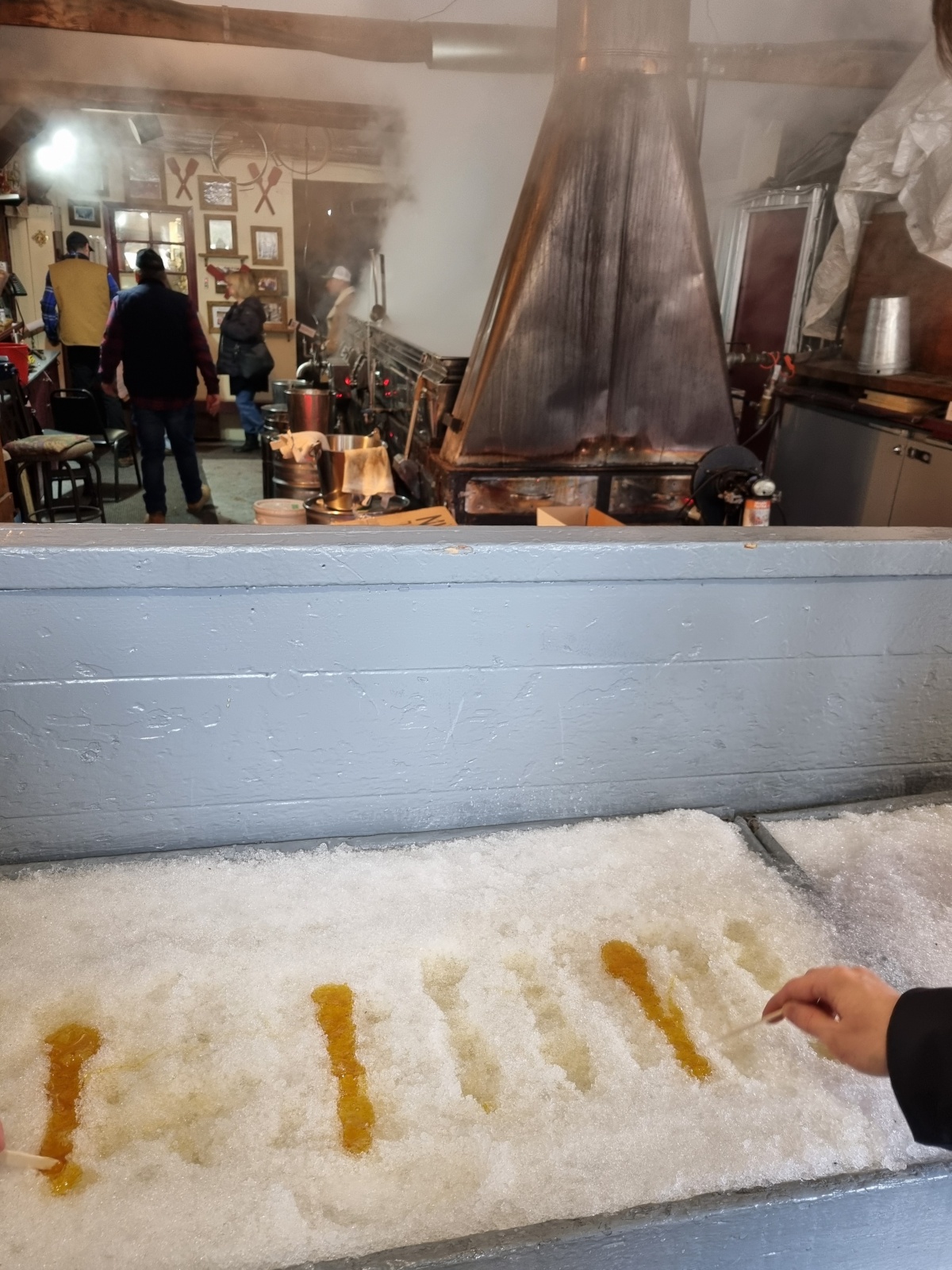
The main activity is basically eating a lot of things covered in maple syrup. It consists of a family-style all you can eat brunch with eggs, bacon, sausages, beans, pea soups, pancakes and pudding chômeur. Oreilles de crisse (fried pork fat) and cretons (pork spread, similar to rillettes) are also often available. The meal is served in large wooden halls with long communal tables, with traditional Québec music. After your meal, you can also try the tire d’érable, which is maple syrup poured on the snow. The syrup will harden, and will allow you to eat it like a soft lollipop. Finally, to calm your sugar rush, have a walk around the forest. Some cabanes also organize events (slides or snowshoeing, visit of the farm…). Don’t forget to bring adequate shoes!
A cabane à sucre experience often costs around 30 to 50 Canadian dollars. Maple products are available to buy as well to bring back home. Booking several days or weeks in advance is a must.
Some recommendations: Cabane à sucre Au milieu des champs, Erablière Jean Parent, Sucrerie de la Montagne.
How long to stay in Montreal
I recommend spending 3 days in Montreal + 1 day if you want to do a side trip! 2 days is the minimum to see the most iconic places of the city without activities.
When to visit Montreal
Temperatures vary a lot all year long, with winters that really feels like winters, and summers that really feels like summers.
Winter (December-February) 

Montreal is often covered in snow in this season, which feels magic for people not used to this climate. Even if the weather is cold, it is also dry so you will feel that the fresh air is almost refreshing! Opt for layers that you can easily remove or unzip, as indoors heating is often intense! The city in winter is perfect if you like the snowy vibe and winter activities like ice skating, spas, and even ski/snowshoeing if you have time to outside of Montreal.
Spring (March-May) 

Spring is unpredictable: it can be windy, rainy, and even snowy up until May and very hot the next day, so bring both a warm coat and a light jacket! However, streets will be less crowded and accomodation and flights cheaper. Despite the weather being a bit all over the place, there will be plenty of things to do in the early spring, like the famous Cabane à sucre experience, which goes from early march to end of April. The hockey season is also at its climax, as playoff qualification ends early April. Starting May, weather will be warmer and you may enjoy parks and terrasses.
Summer (June-August) 

It feels like the city is brought back to life in summer: a lot of events are happening all summer long with festivals from mid June to August, the formula 1 Grand Prix end of May or mid June, or the perseids evenings mid August. This will also be the perfect time for terrasses, food markets, picnics and biking in the city. Summer will be bursting with energy and will be the perfect time to enjoy music, art, and outdoors activities.
Autumn (September-November) 

Autumn is a beautiful season to visit, especially for its vibrant fall foliage that you can enjoy in or outside of Montreal. The weather is still quite warm in September and there are some great fall and halloween festivals to attend. Perfect to enjoy the summer energy with less tourists in the city! At this period, it would recommend to rent a car and enjoy the foliage outside the city.
Getting around
Buses, subways, and trains (REM) are very practical. In addition, the city’s bike rental service BIXI is available from late spring to fall. However, if you plan to go outside of Montreal, car rental companies like Hertz, Rent-A-Car, and Avis are recommended. Turo, a peer-to-peer carsharing service, is another alternative for a day trip as it might be more affordable than a regular car rental company.
Side trips from Montreal
- Laurentides – 1h30-2h by car
- Estrie – 1h30-2h by car
- Ottawa – 2h by car or train
- Quebec – 3h-3h30 by car or train – check out my recommendations for a long weekend in Quebec
- Toronto – 5h30 to 6h by car, bus, train or plane
- New York – 6h to 9h by car, bus, train or plane